
ES IST WIE ES IST
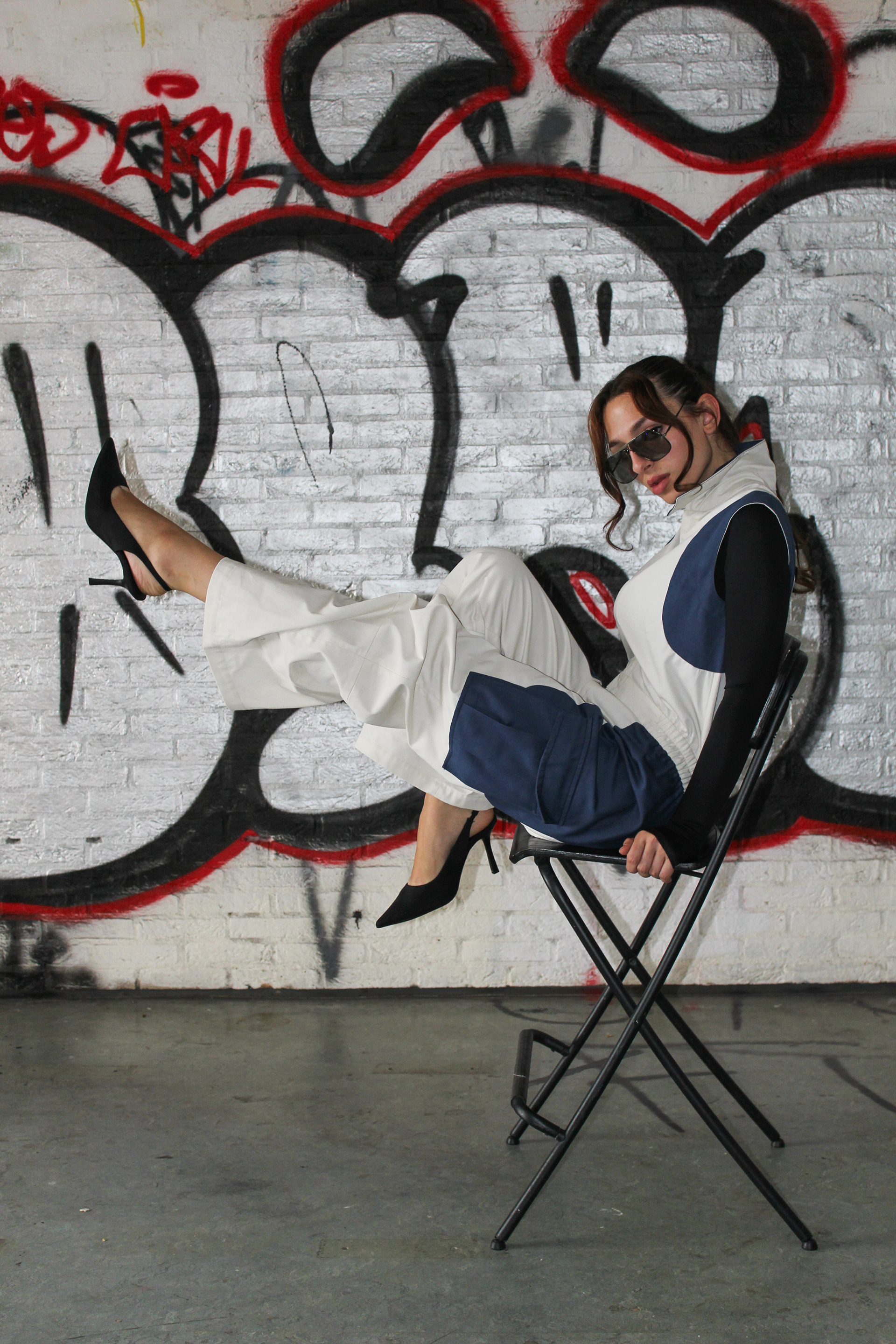
1. Lookbook
2. Process
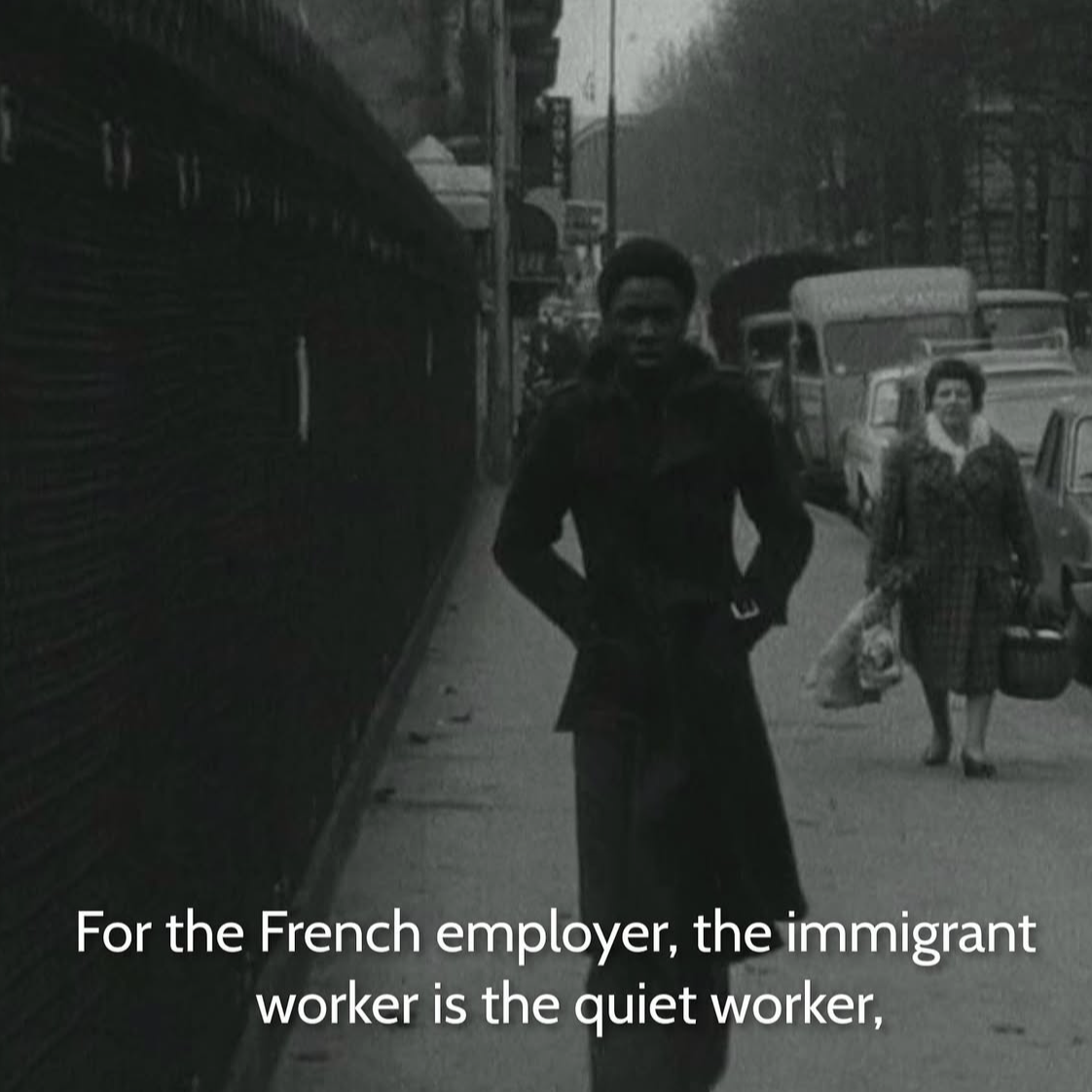

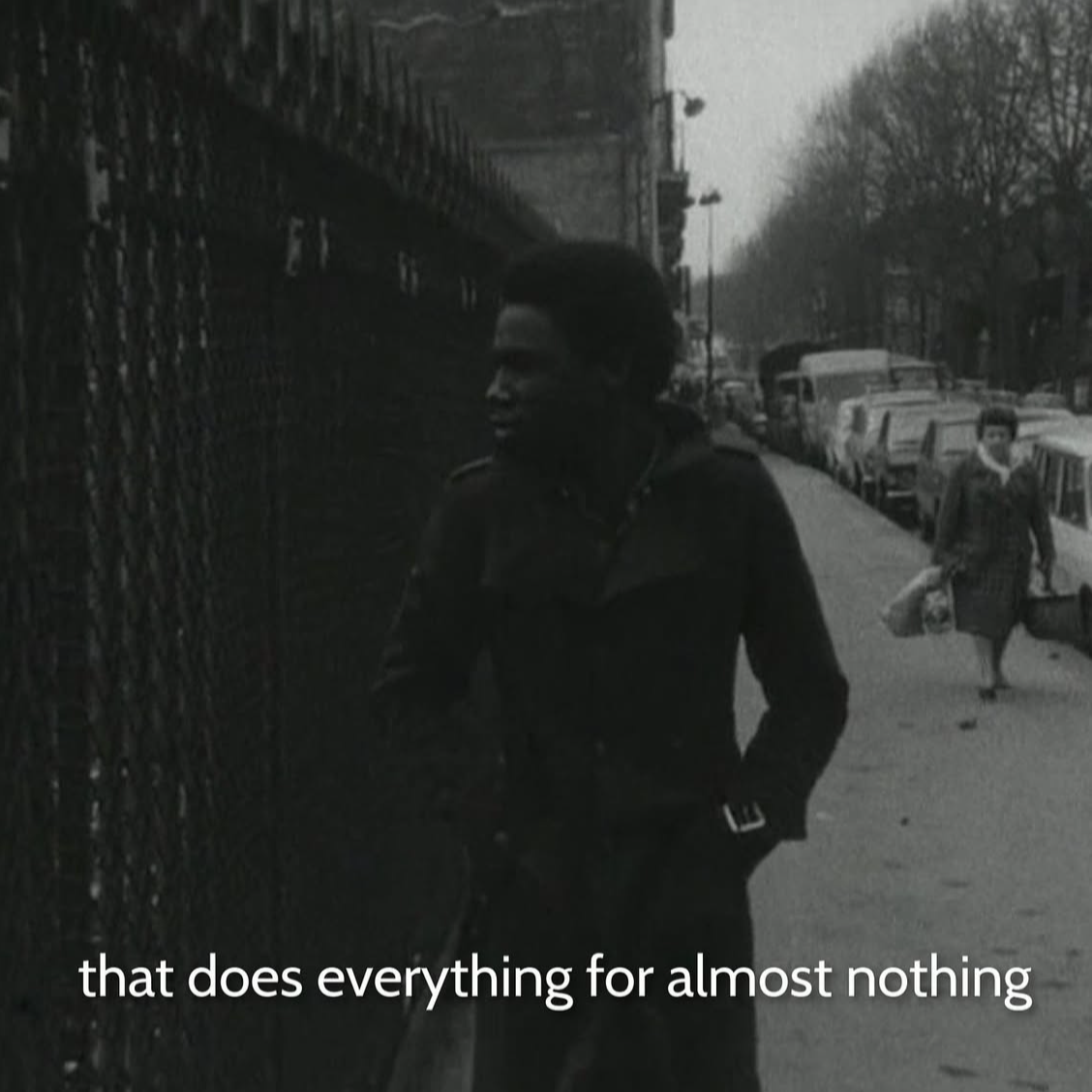
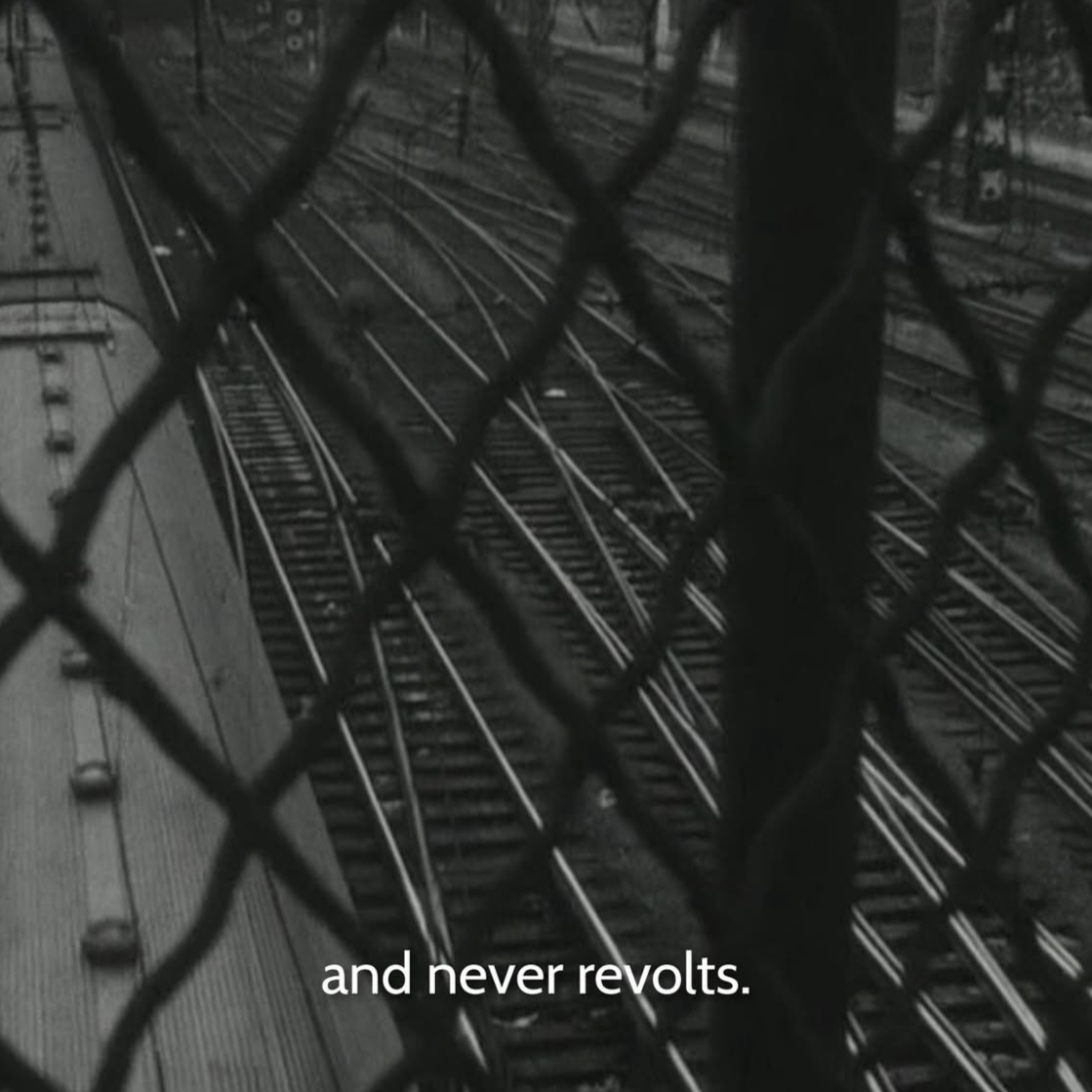
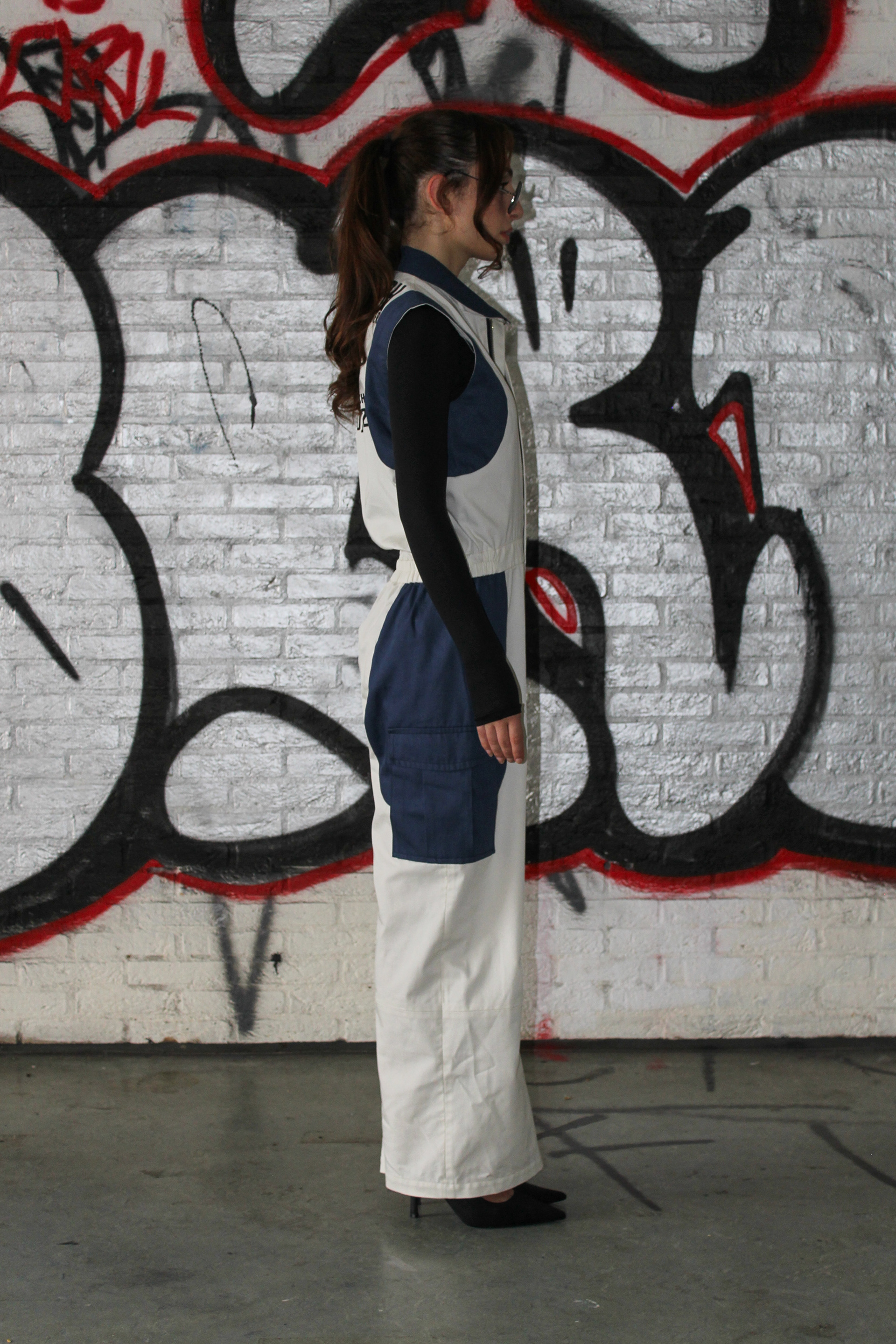
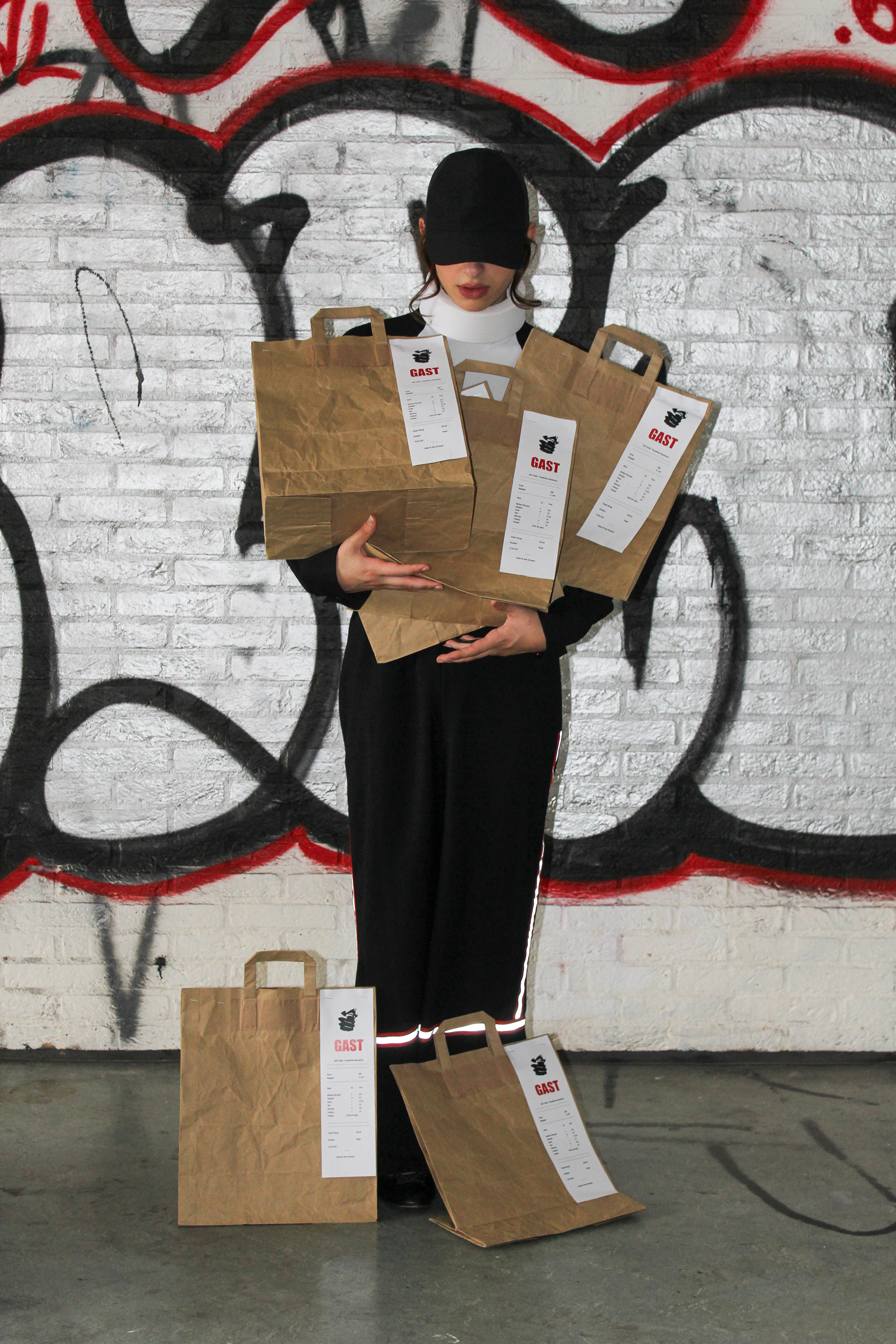
This collection is a story – an homage to immigration, labour, and unappreciated value: the value of work, family, and identity. It reclaims garments tied to financial instability and struggle, reimagining them as symbols of strength and self-expression. “Es ist wie es ist” reflects the unspoken resilience of specific communities – people who carry on despite hardship, who dress with dignity even when dignity is denied. It is a tribute to the overlooked, to the labour behind the surface, and to the everyday pride of simply continuing.
Final 6 looks on the runway
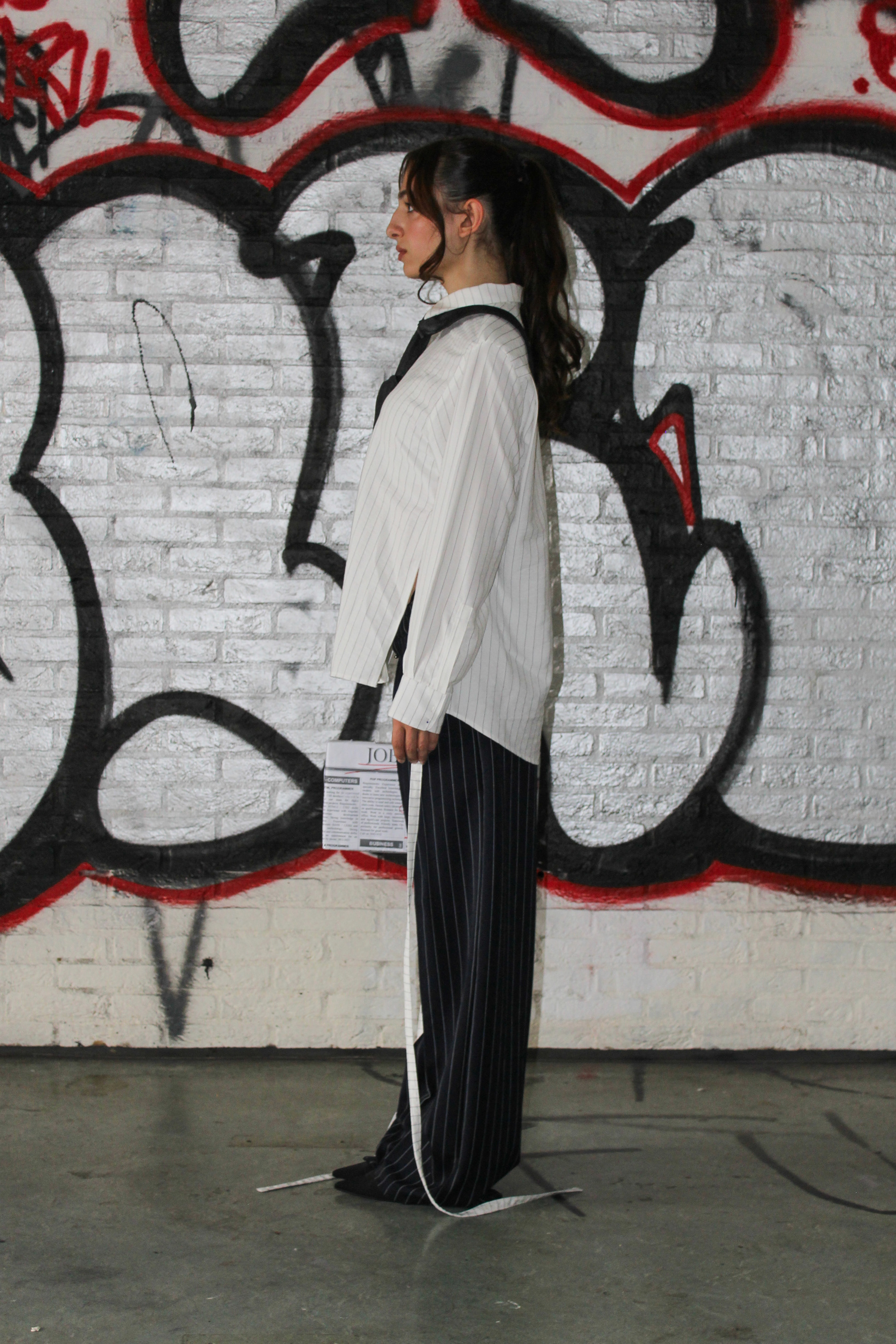
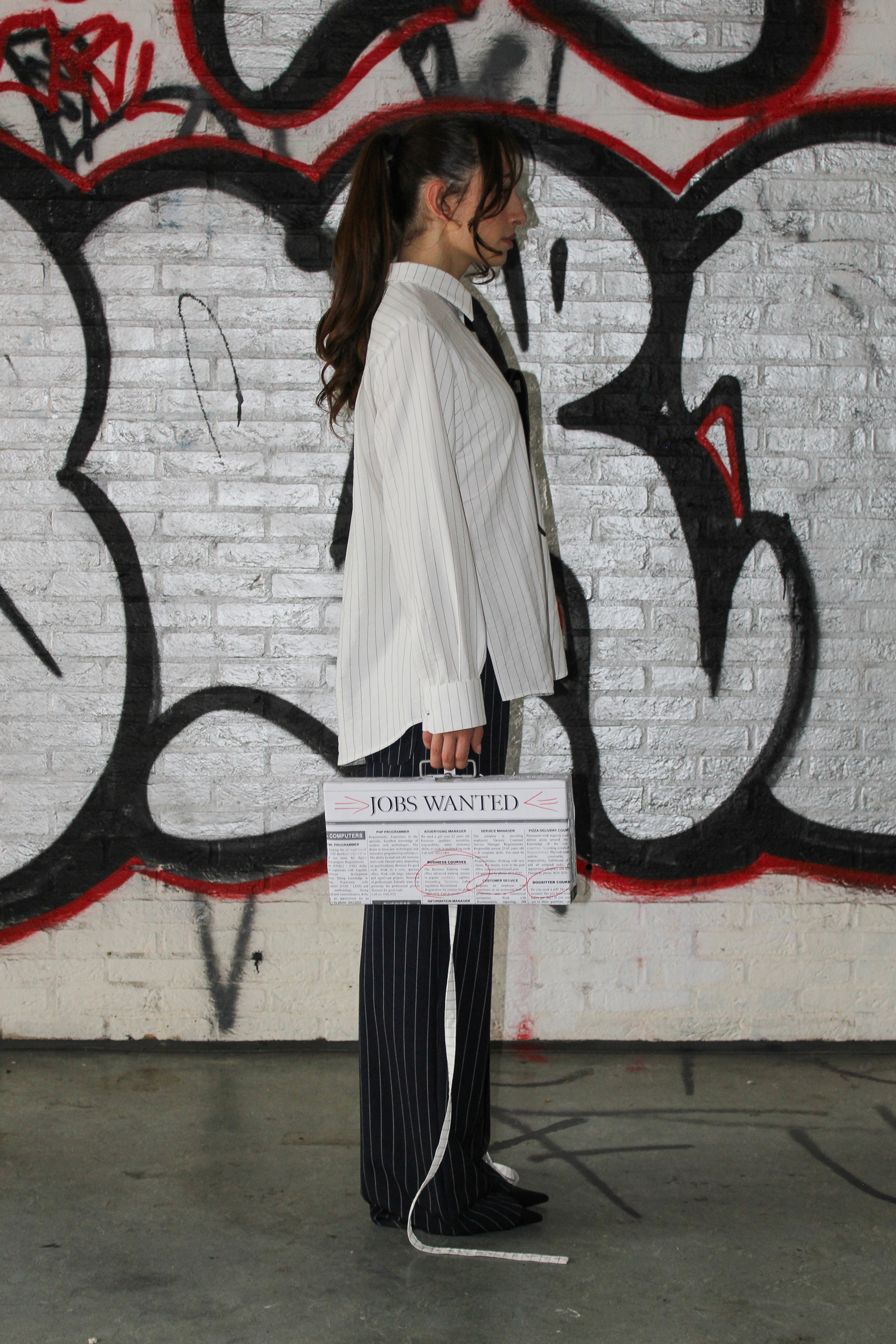
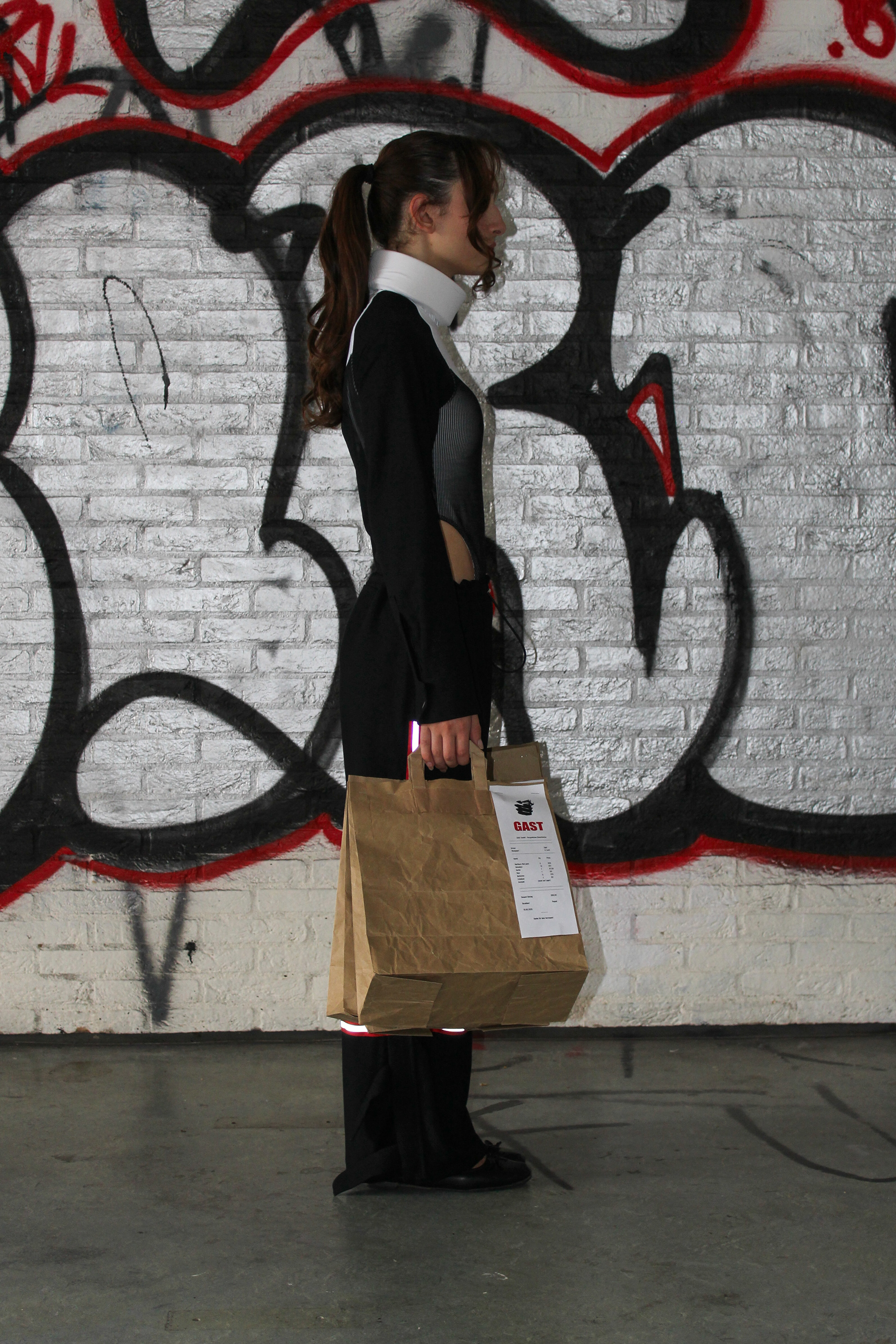
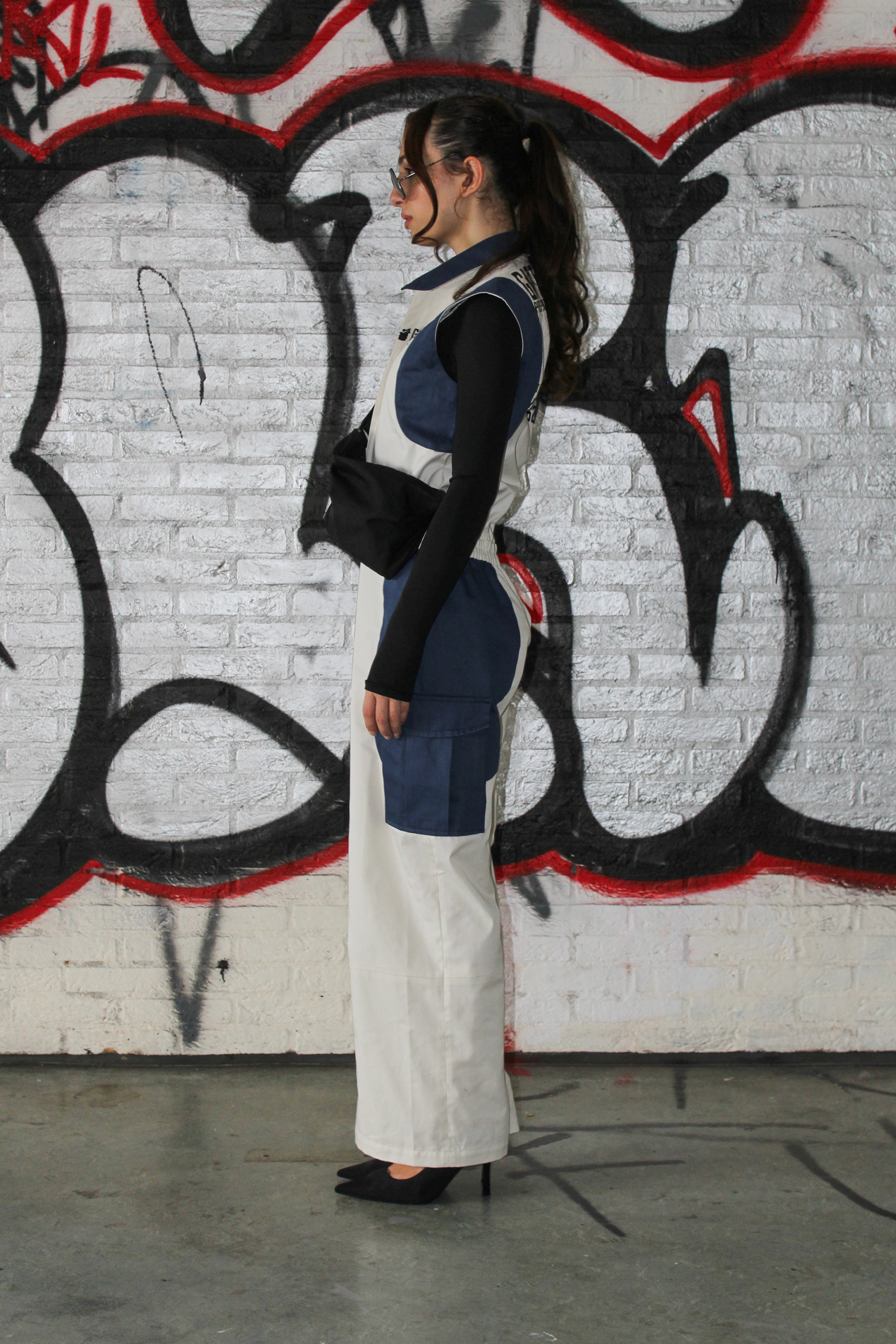
Unemployment, Application, Food Delivery, Facility Management, Elderly Care, Hospitality

Unemployment

Applicant

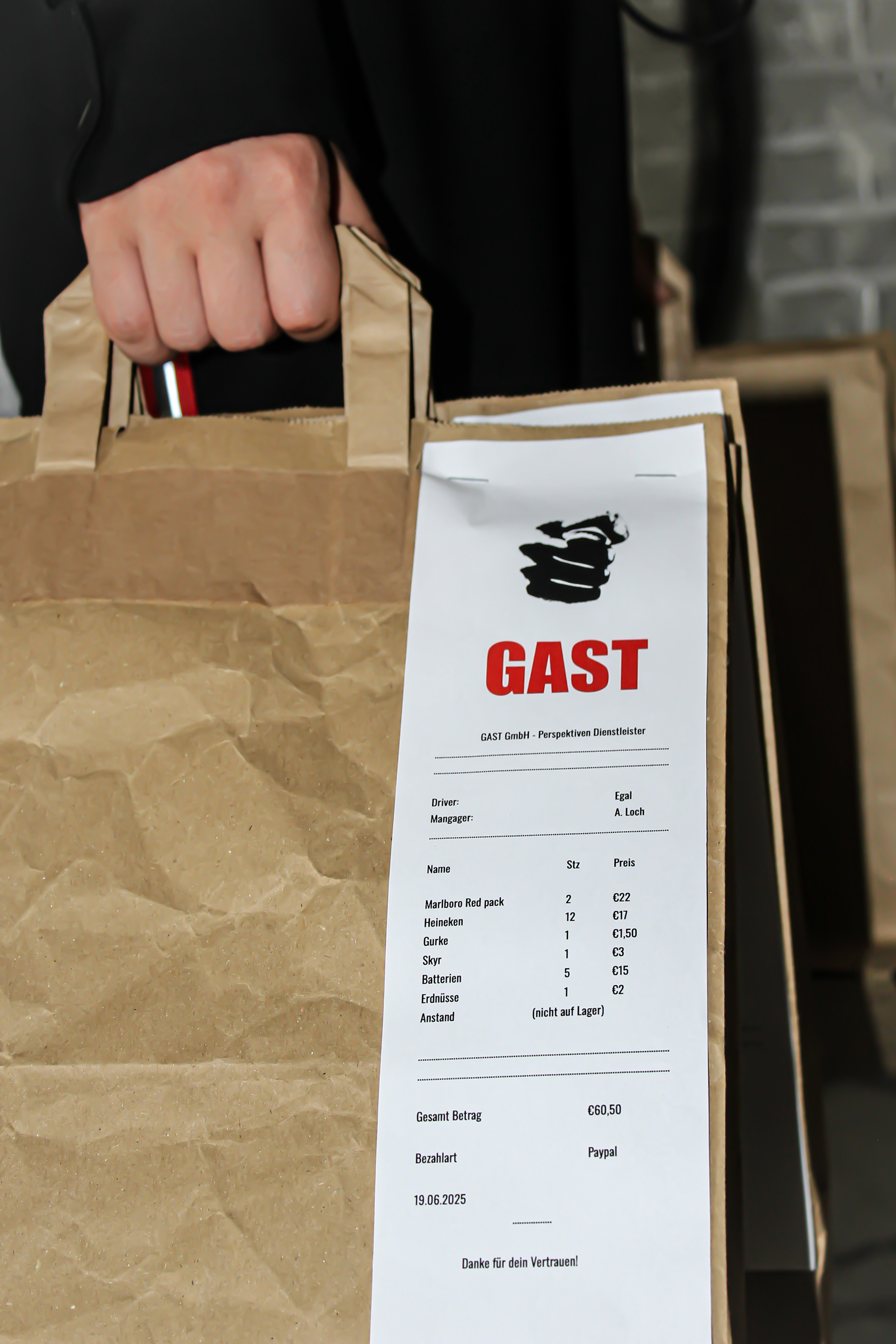
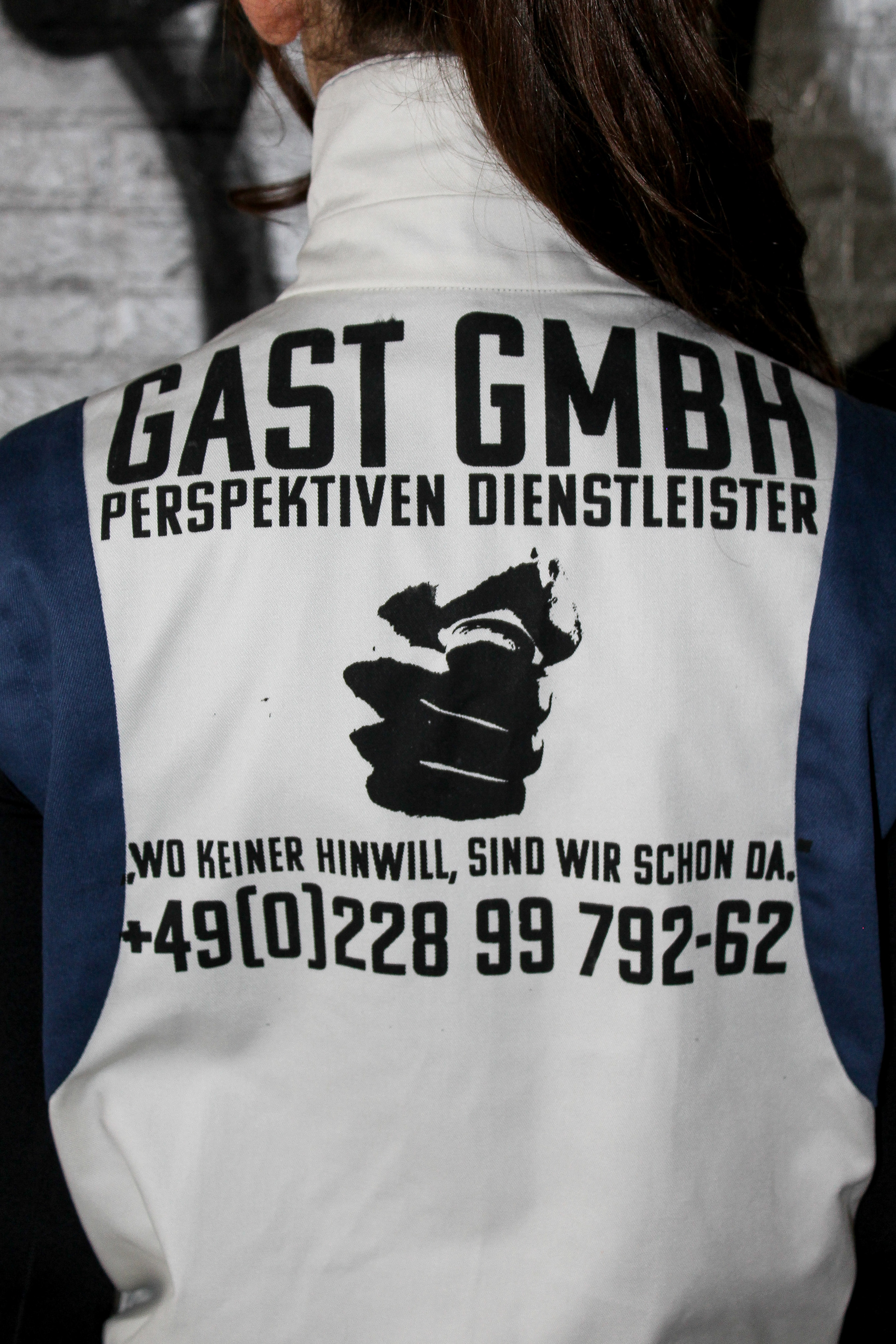
Food Delivery

Cleaning

Elderly Care

Hospitality
1. LOOKBOOK











































PROCESS
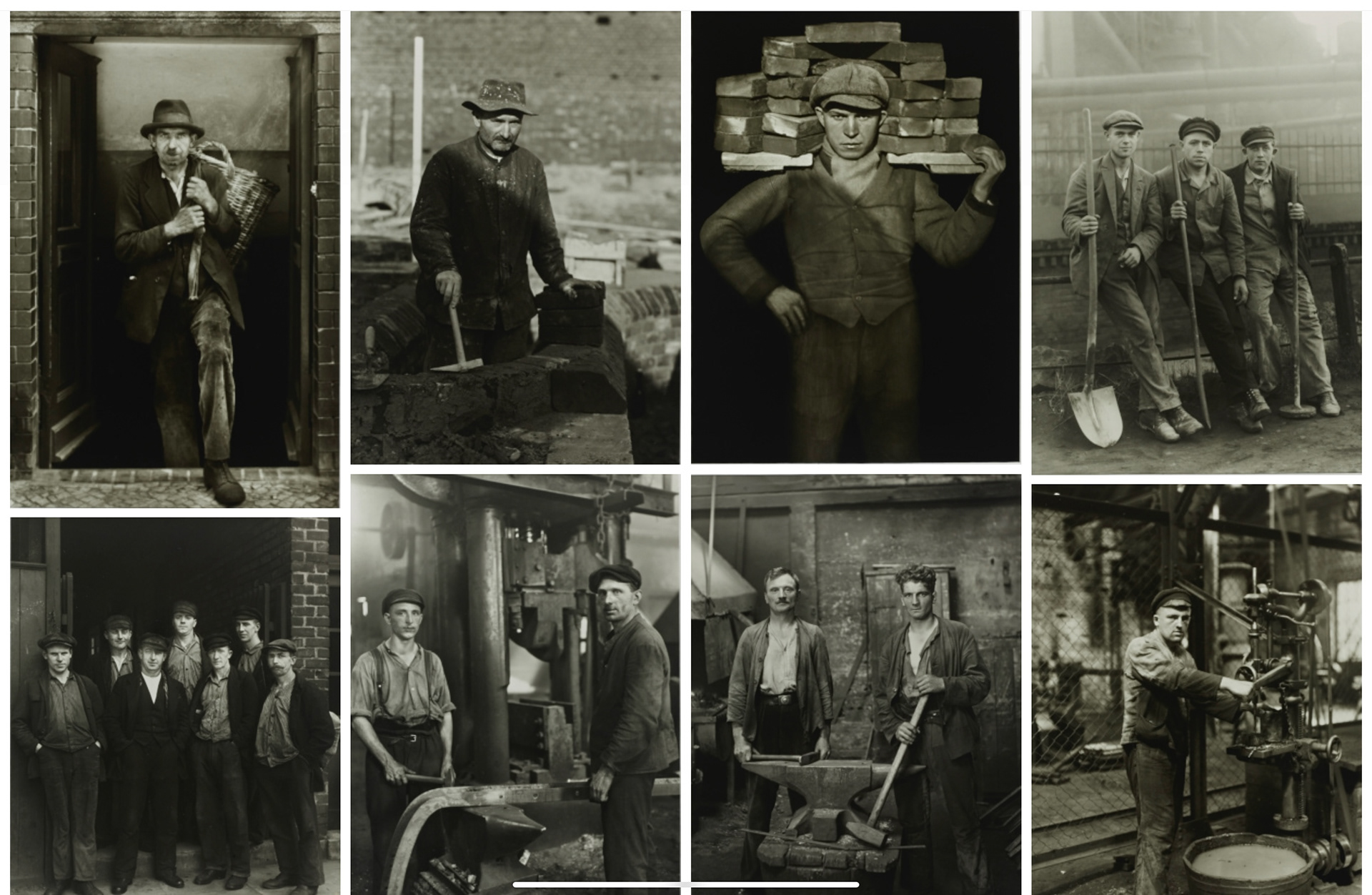
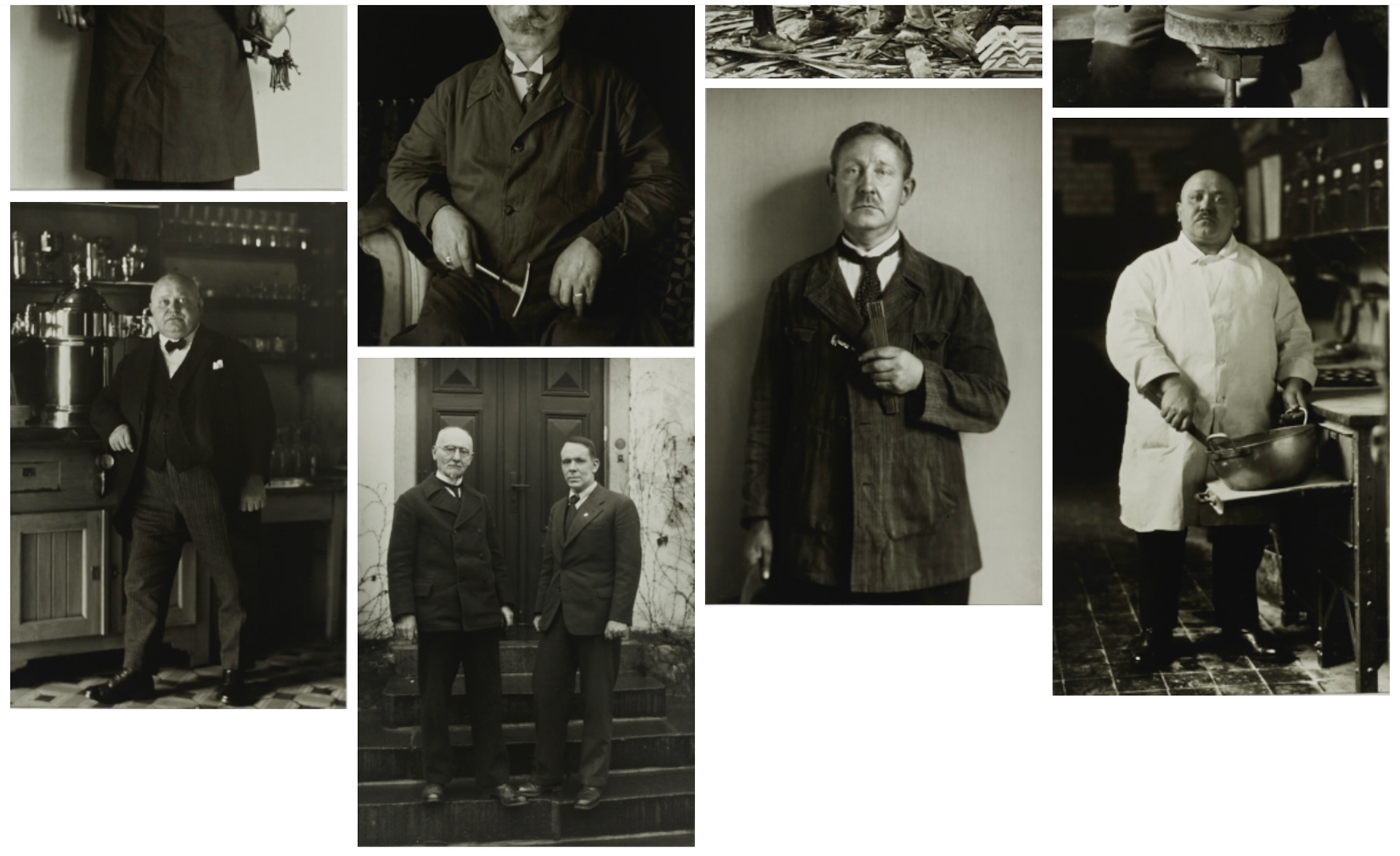
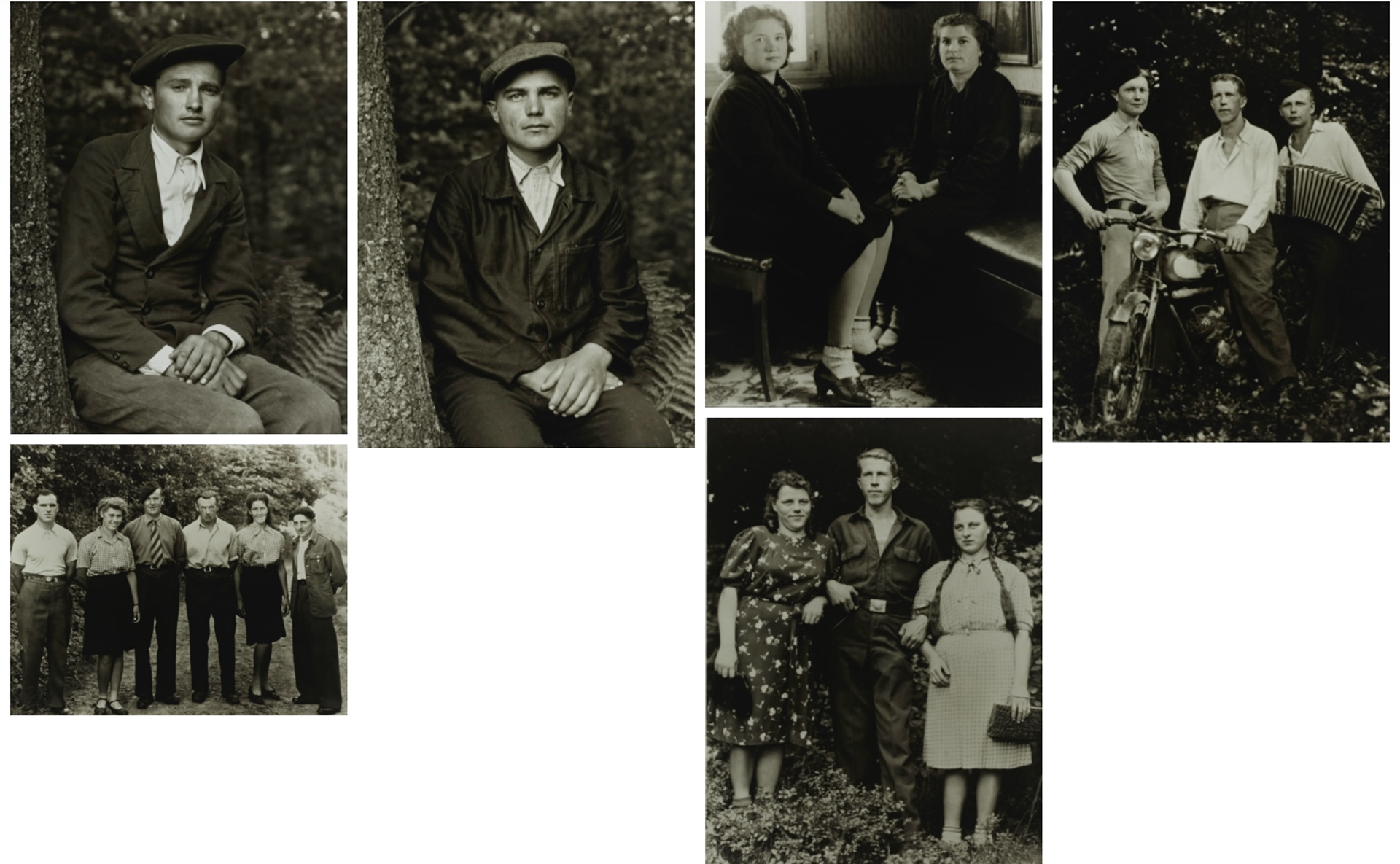
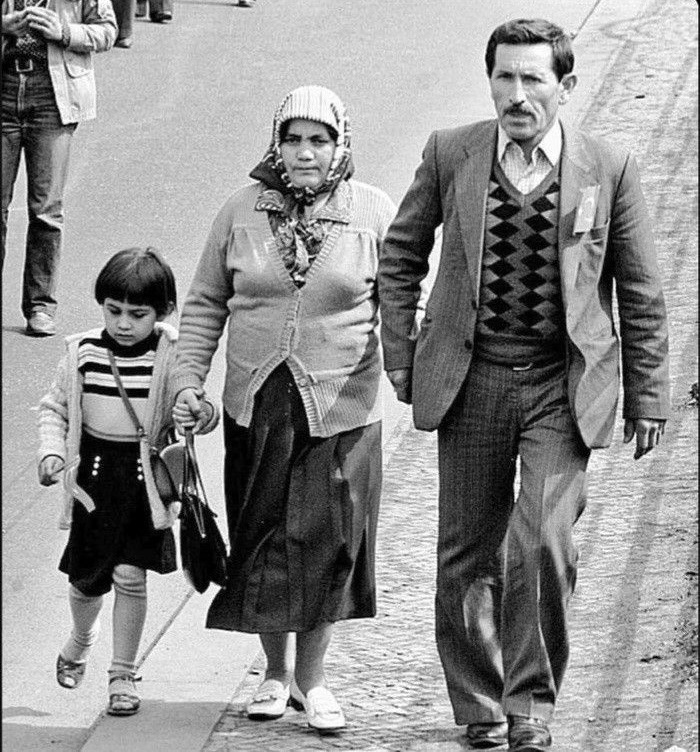
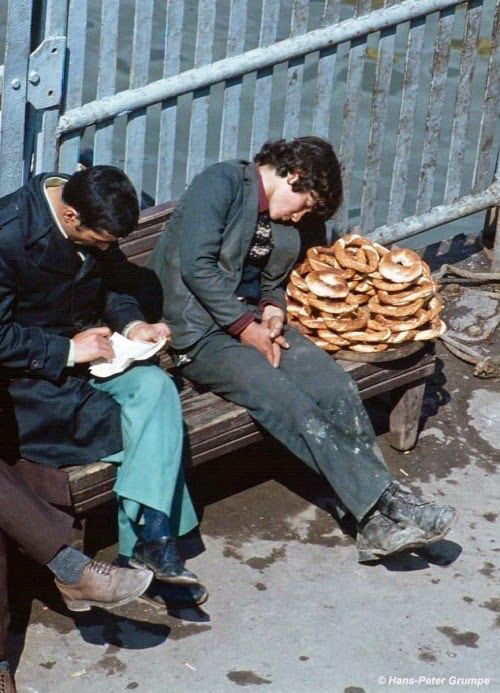
August Sander, "People of the 20th century" served as the starting point of my research.
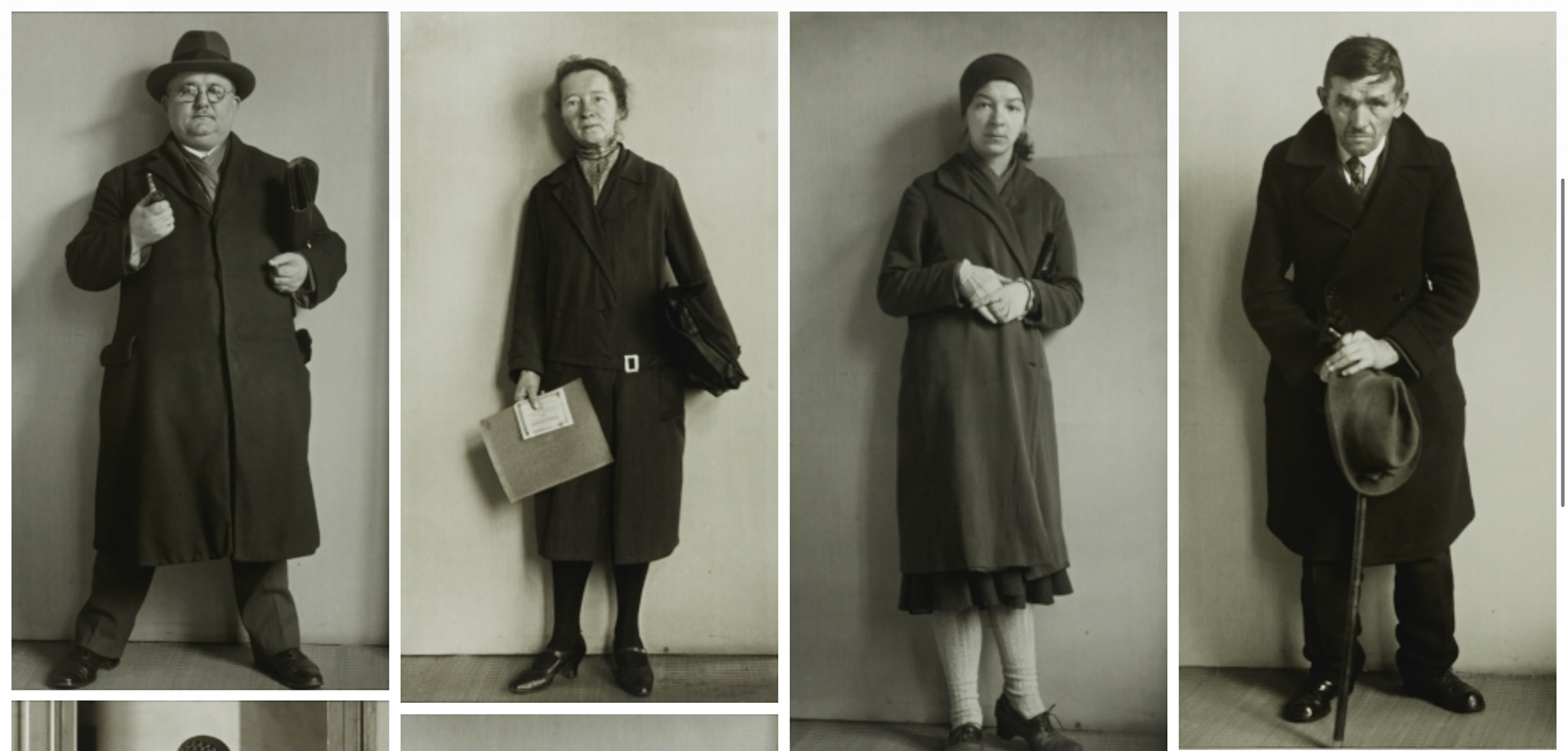
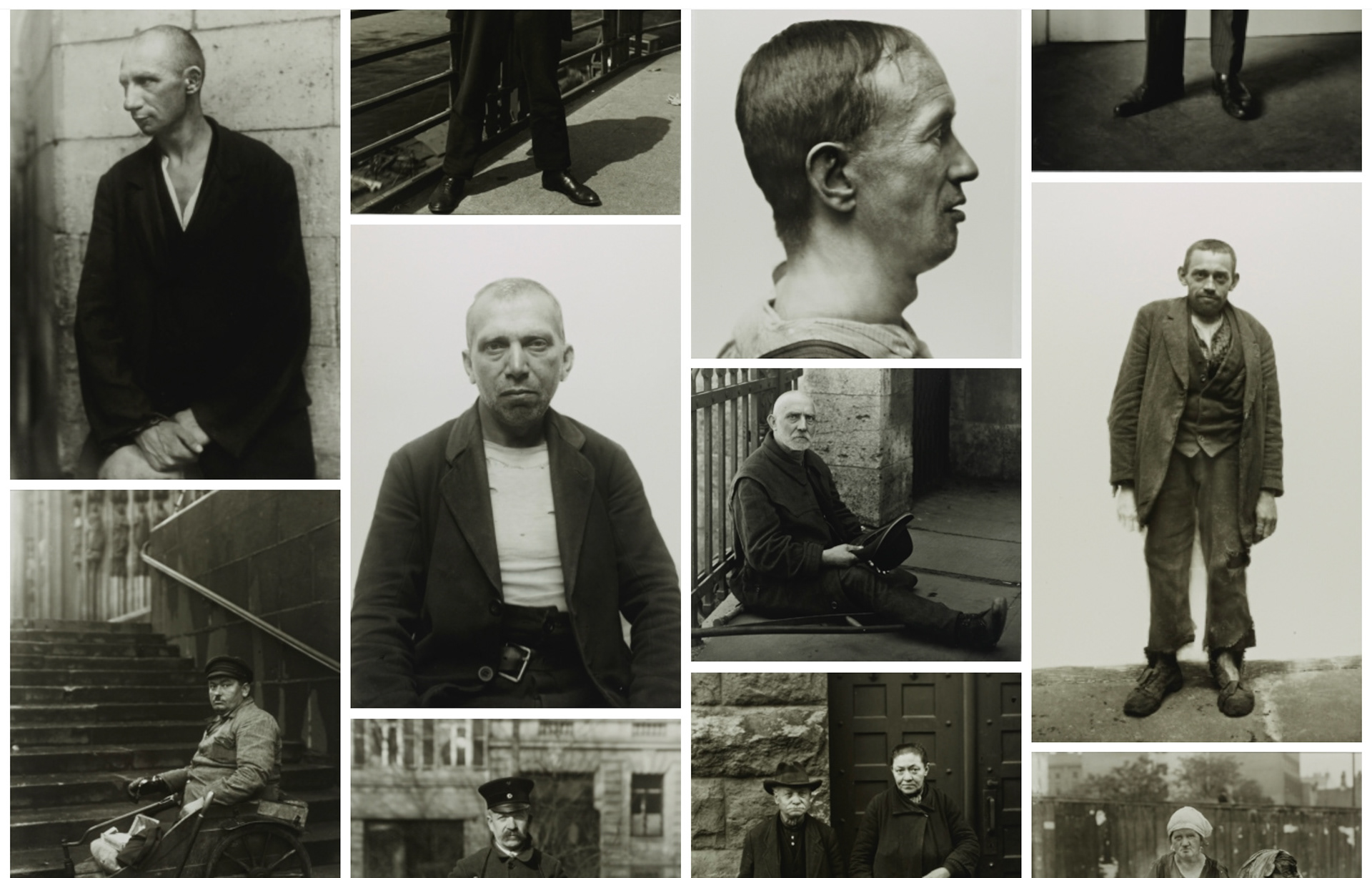
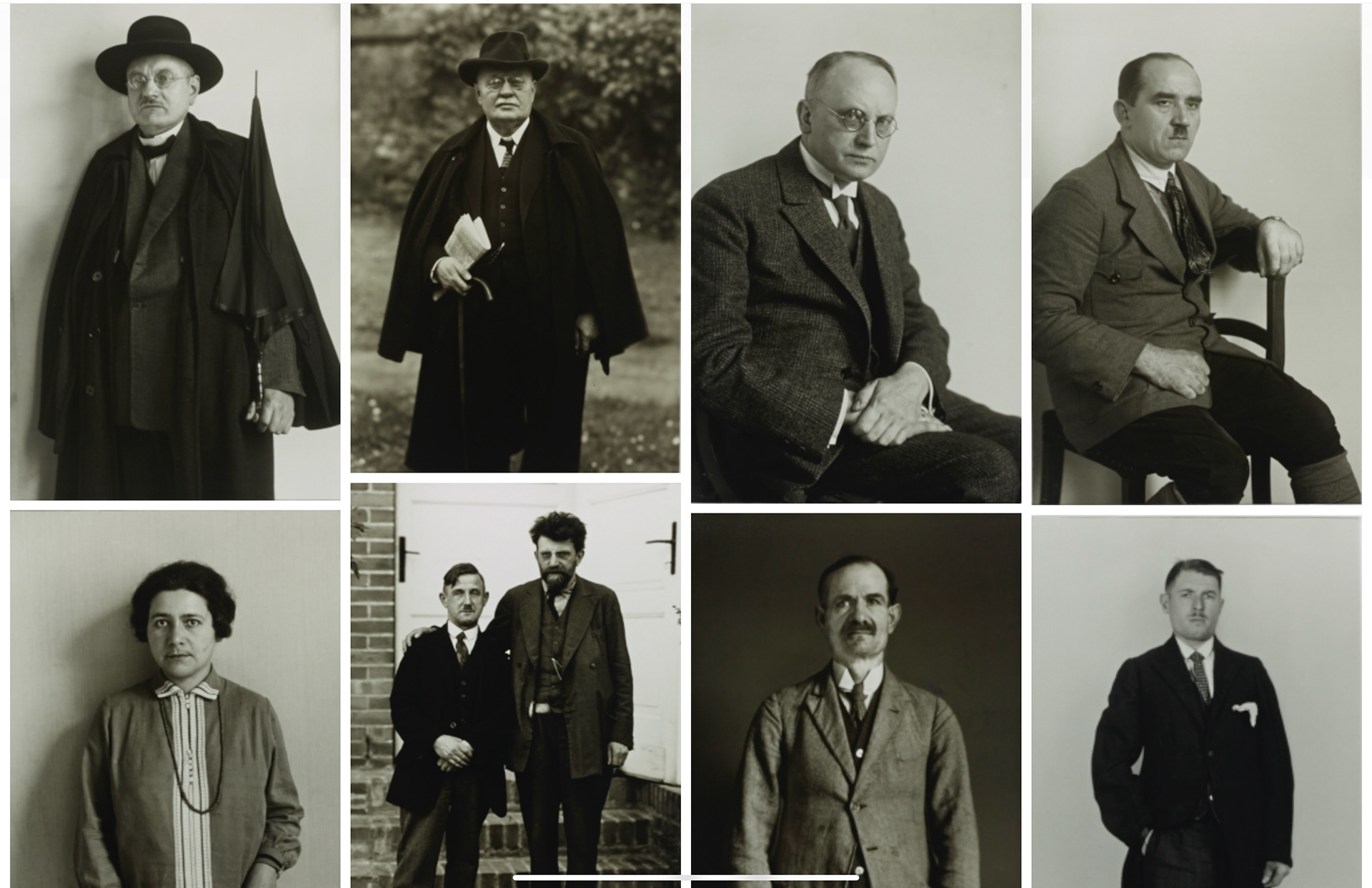
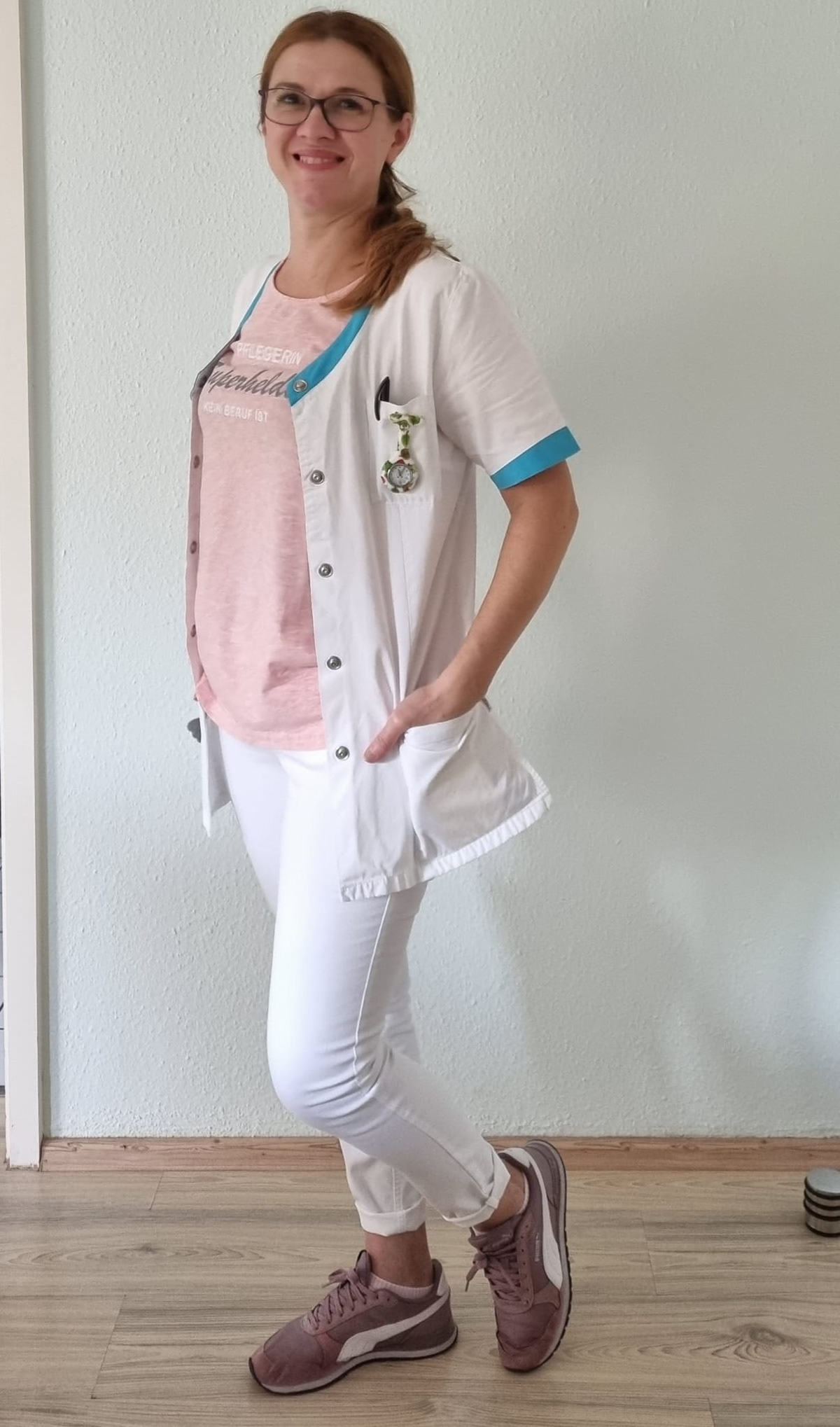


My parents in their working garments.
My mum works in elderly care. (left)
My dad works in hospitality. (middle)
Me in a "DEUSTCHLAND" shirt during the FIFA world cup in our asylum housing in 2006. (right)
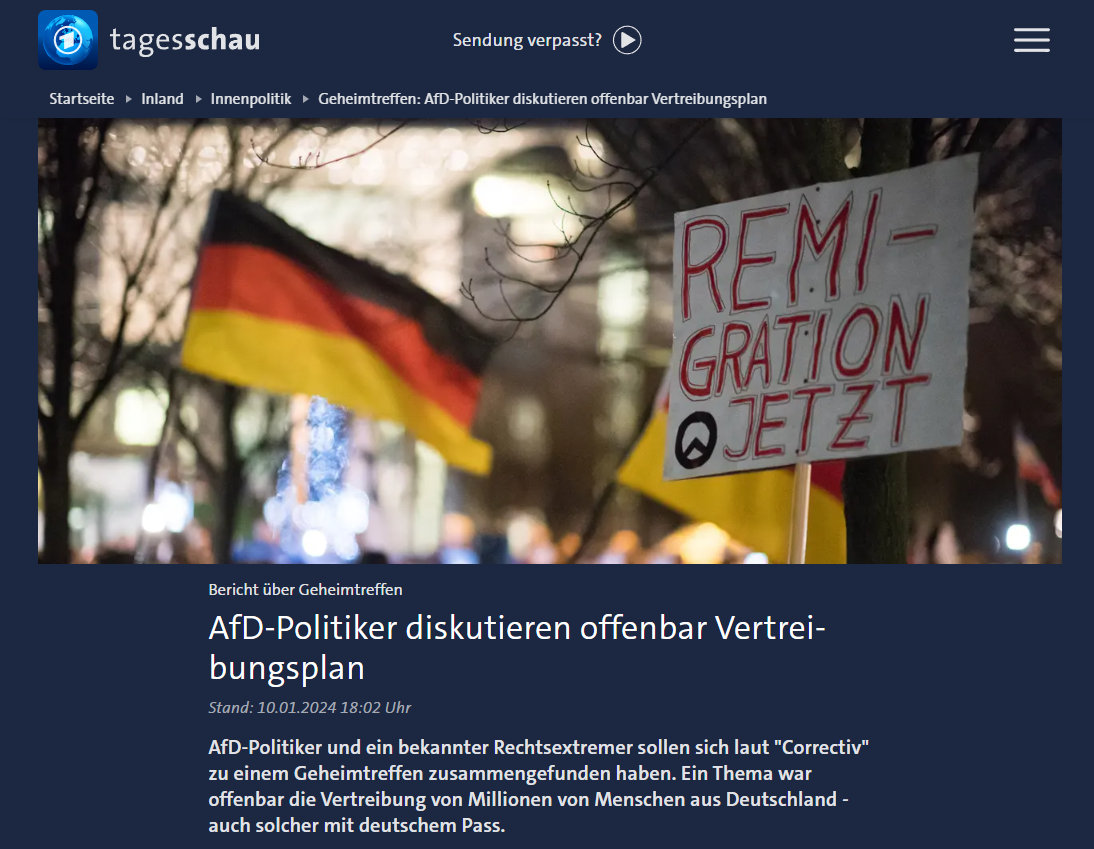
With a growing shift in global politics towards far right parties and my families and others history, I felt the urge to make this collection.
ASYLVERFAHREN IN DEUTSCHLAND
ASYLUM PROCEDURE IN GERMANY
1. Einreise und Antragstellung
Eine Person, die Schutz sucht, muss sich bei einer Behörde (z. B. Polizei, Ausländerbehörde oder direkt beim Bundesamt für Migration und Flüchtlinge – BAMF) als Asylsuchende melden. Offiziell kann der Asylantrag nur beim BAMF gestellt werden.
Eine Person, die Schutz sucht, muss sich bei einer Behörde (z. B. Polizei, Ausländerbehörde oder direkt beim Bundesamt für Migration und Flüchtlinge – BAMF) als Asylsuchende melden. Offiziell kann der Asylantrag nur beim BAMF gestellt werden.
2. Erstaufnahme und Verteilung
Nach der Meldung wird die Person in eine Erstaufnahmeeinrichtung gebracht. Dort erfolgt eine Verteilung auf verschiedene Bundesländer über das „EASY“-System (Erstverteilung der Asylbegehrenden).
Nach der Meldung wird die Person in eine Erstaufnahmeeinrichtung gebracht. Dort erfolgt eine Verteilung auf verschiedene Bundesländer über das „EASY“-System (Erstverteilung der Asylbegehrenden).
3. Registrierung und Identitätsprüfung
Erfassung der persönlichen Daten
Abnahme von Fingerabdrücken (ab 14 Jahren)
Überprüfung, ob Deutschland überhaupt für das Asylverfahren zuständig ist (Dublin-Verfahren)
4. Anhörung beim BAMF
Ein zentraler Schritt ist die persönliche Anhörung. Der Antragsteller schildert seine Fluchtgründe. Dabei ist es wichtig, alle relevanten Details anzugeben, da dies die Basis für die Entscheidung ist.
Ein zentraler Schritt ist die persönliche Anhörung. Der Antragsteller schildert seine Fluchtgründe. Dabei ist es wichtig, alle relevanten Details anzugeben, da dies die Basis für die Entscheidung ist.
5. Entscheidung durch das BAMF
Nach Prüfung aller Informationen trifft das BAMF eine Entscheidung:
Nach Prüfung aller Informationen trifft das BAMF eine Entscheidung:
Anerkennung als Flüchtling (nach Genfer Flüchtlingskonvention) → Aufenthaltserlaubnis für 3 Jahre
Asyl (nach Artikel 16a GG) → Aufenthaltserlaubnis für 3 Jahre
Subsidiärer Schutz → Aufenthaltserlaubnis für 1 Jahr (verlängerbar)
Abschiebungsverbot → Aufenthaltserlaubnis für 1 Jahr (verlängerbar)
Ablehnung → Antragsteller muss ausreisen oder kann unter bestimmten Umständen eine Duldung erhalten
6. Rechtsmittel und mögliche Abschiebung
Bei einer Ablehnung kann innerhalb von zwei Wochen Klage beim Verwaltungsgericht eingereicht werden. Falls die Ablehnung bestandskräftig wird, muss der Antragsteller Deutschland verlassen. Andernfalls droht die Abschiebung.
Bei einer Ablehnung kann innerhalb von zwei Wochen Klage beim Verwaltungsgericht eingereicht werden. Falls die Ablehnung bestandskräftig wird, muss der Antragsteller Deutschland verlassen. Andernfalls droht die Abschiebung.
Besondere Aspekte
Während des Verfahrens gilt ein Arbeitsverbot (je nach Status bis zu 9 Monate)
Leistungen nach dem Asylbewerberleistungsgesetz (Unterkunft, Essen, medizinische Grundversorgung)
Residenzpflicht: Bewegungseinschränkung auf ein bestimmtes Bundesland
1. Entry and Application
A person seeking protection must report to an authority (e.g., the police, the foreigners’ registration office, or directly to the Federal Office for Migration and Refugees – BAMF) as an asylum seeker. The asylum application can only officially be submitted to the BAMF.
A person seeking protection must report to an authority (e.g., the police, the foreigners’ registration office, or directly to the Federal Office for Migration and Refugees – BAMF) as an asylum seeker. The asylum application can only officially be submitted to the BAMF.
2. Initial Reception and Allocation
After registering, the person is taken to an initial reception facility. From there, they are allocated to different federal states through the “EASY” system (initial distribution of asylum seekers).
After registering, the person is taken to an initial reception facility. From there, they are allocated to different federal states through the “EASY” system (initial distribution of asylum seekers).
3. Registration and Identity Check
Recording of personal data
Collection of fingerprints (from age 14)
Verification of whether Germany is responsible for processing the asylum application at all (Dublin procedure)
4. Hearing at the BAMF
A key step is the personal interview. The applicant explains the reasons for fleeing. It is crucial to provide all relevant details, as this forms the basis for the decision.
A key step is the personal interview. The applicant explains the reasons for fleeing. It is crucial to provide all relevant details, as this forms the basis for the decision.
5. Decision by the BAMF
After examining all the information, the BAMF makes a decision:
After examining all the information, the BAMF makes a decision:
Recognition as a refugee (according to the Geneva Refugee Convention) → residence permit for 3 years
Asylum (according to Article 16a of the German Basic Law) → residence permit for 3 years
Subsidiary protection → residence permit for 1 year (renewable)
Prohibition of deportation → residence permit for 1 year (renewable)
Rejection → the applicant must leave the country or may, under certain circumstances, receive temporary suspension of deportation (Duldung)
6. Legal Remedies and Possible Deportation
In case of rejection, an appeal can be filed with the administrative court within two weeks. If the rejection becomes legally binding, the applicant must leave Germany. Otherwise, deportation may be enforced.
In case of rejection, an appeal can be filed with the administrative court within two weeks. If the rejection becomes legally binding, the applicant must leave Germany. Otherwise, deportation may be enforced.
Special Aspects
Employment ban during the procedure (depending on status, up to 9 months)
Benefits under the Asylum Seekers Benefits Act (accommodation, food, basic medical care)
Residence obligation: restriction of movement to a specific federal state
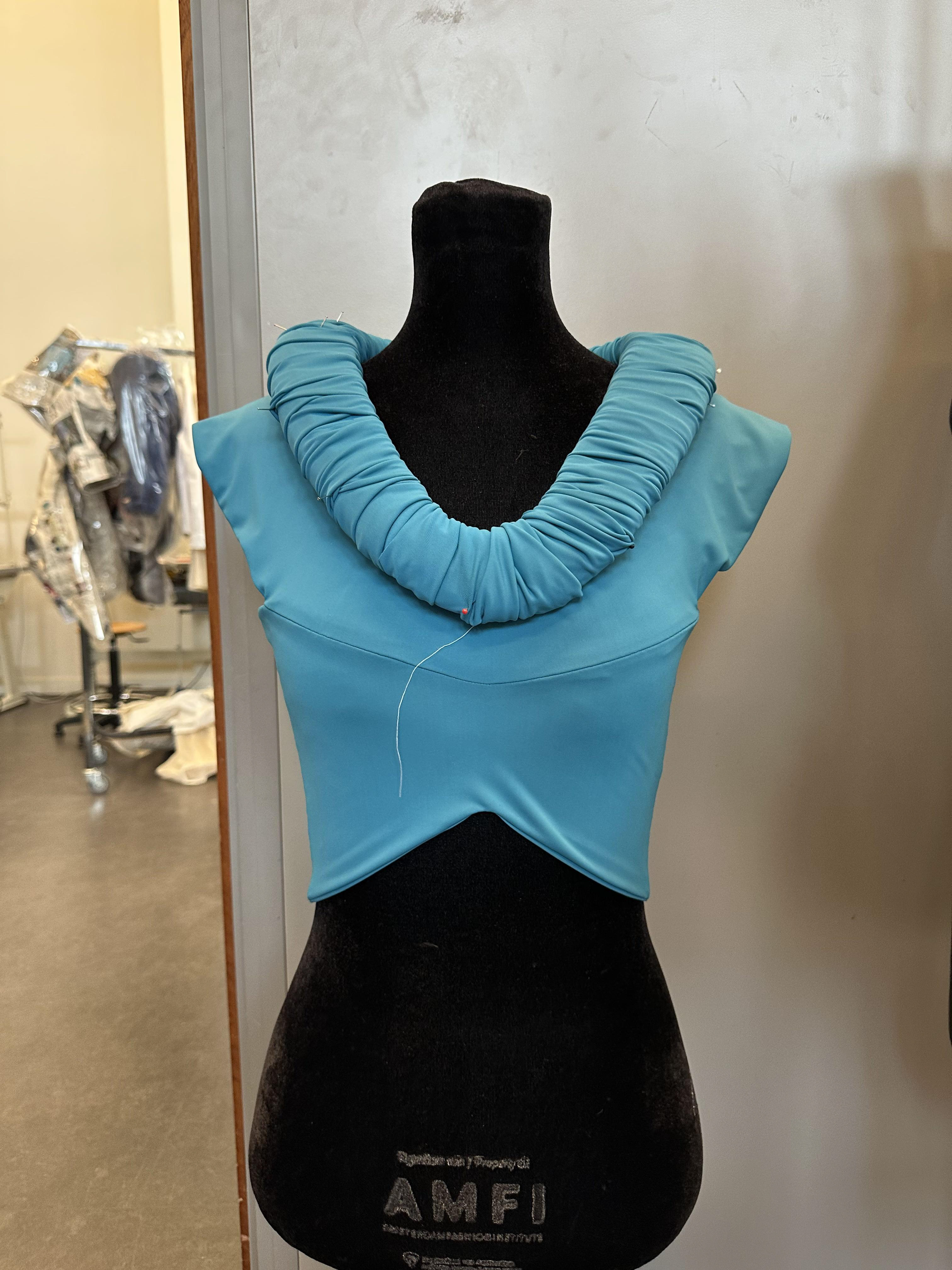
DRAPING
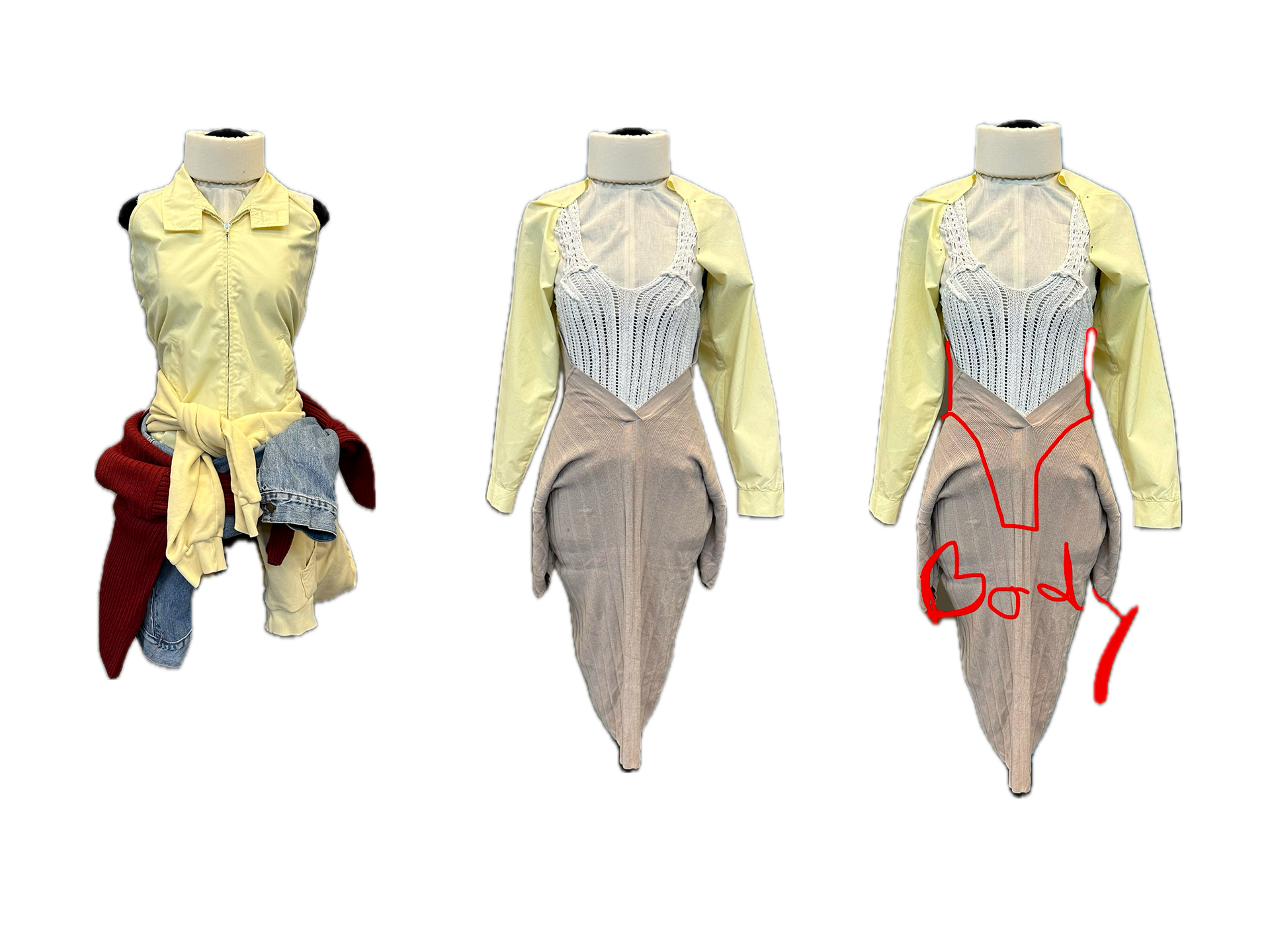

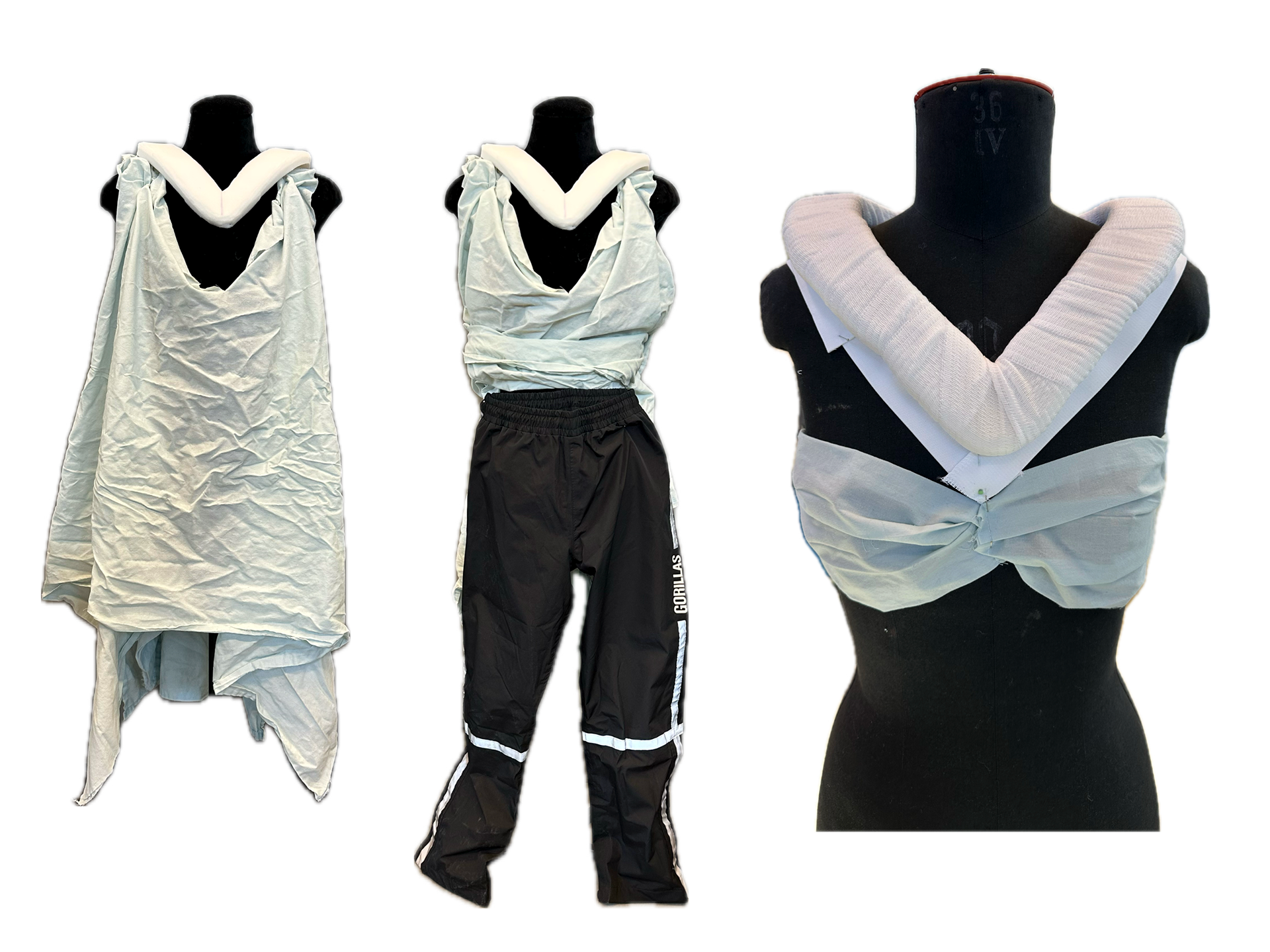

COLLAGING LINE UP

First drafts and experiments.

First round of sorting out.


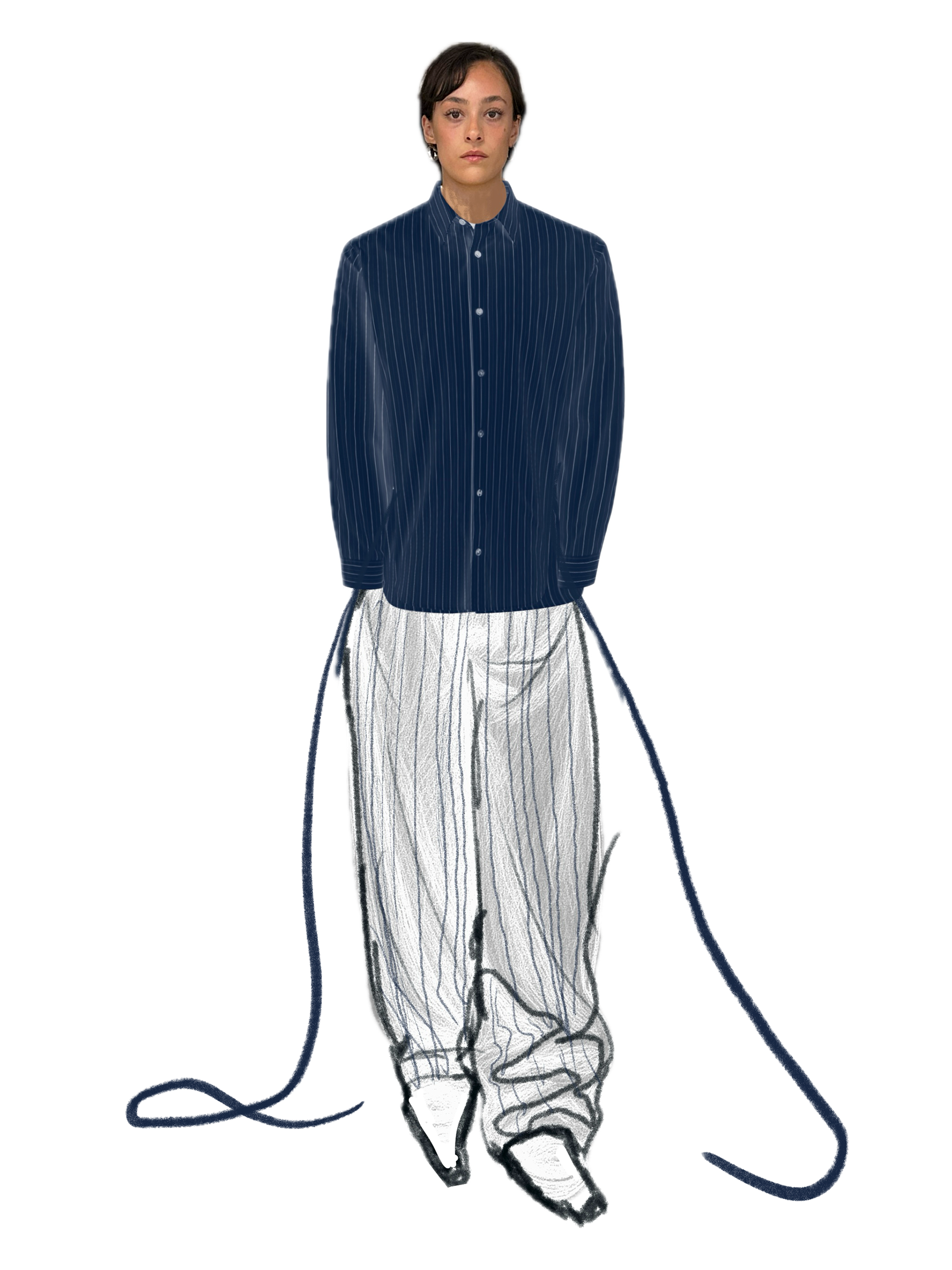















The idea was to have story from "unemployment", to "application", to showcasing 4 different professions.
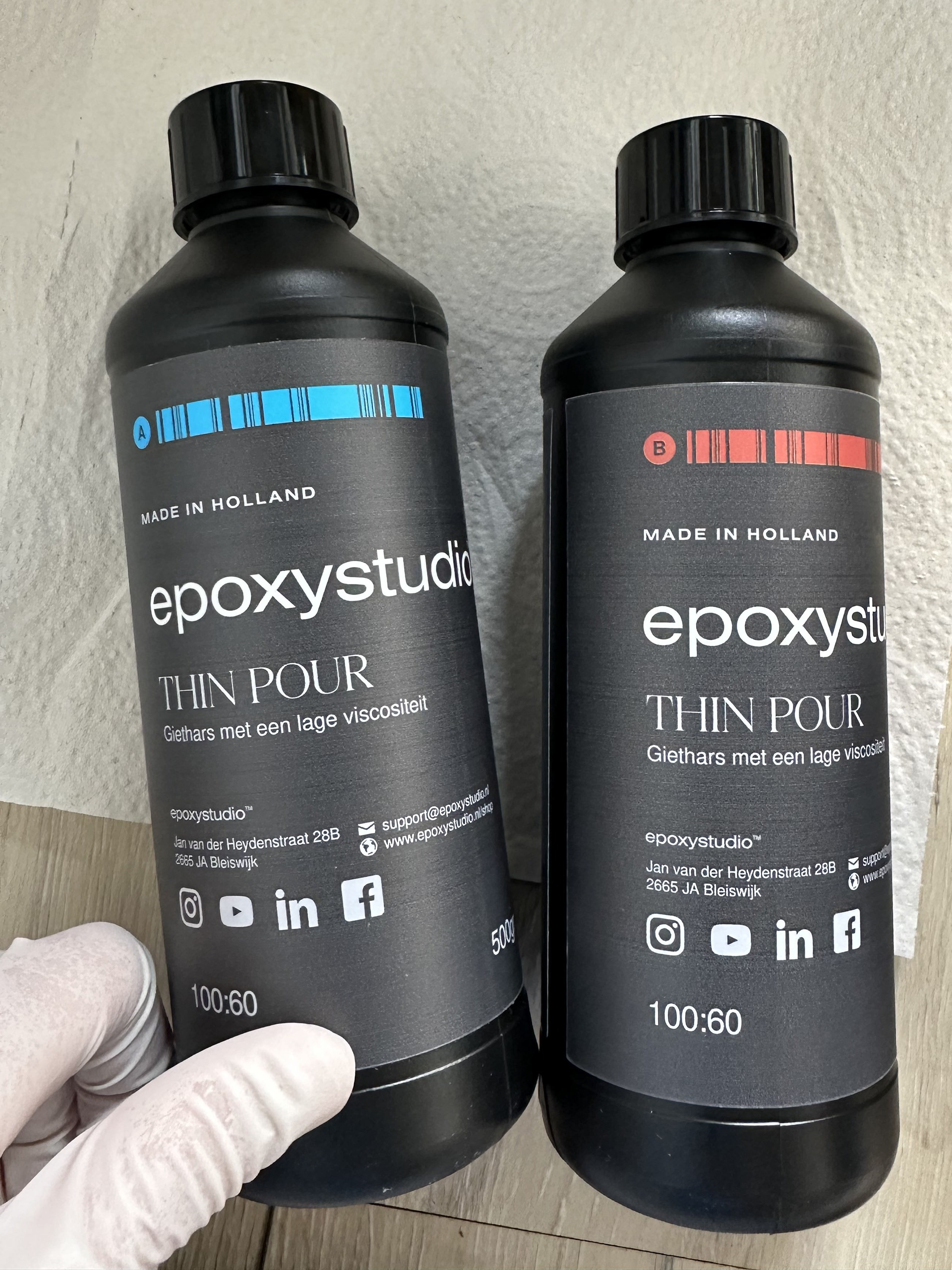
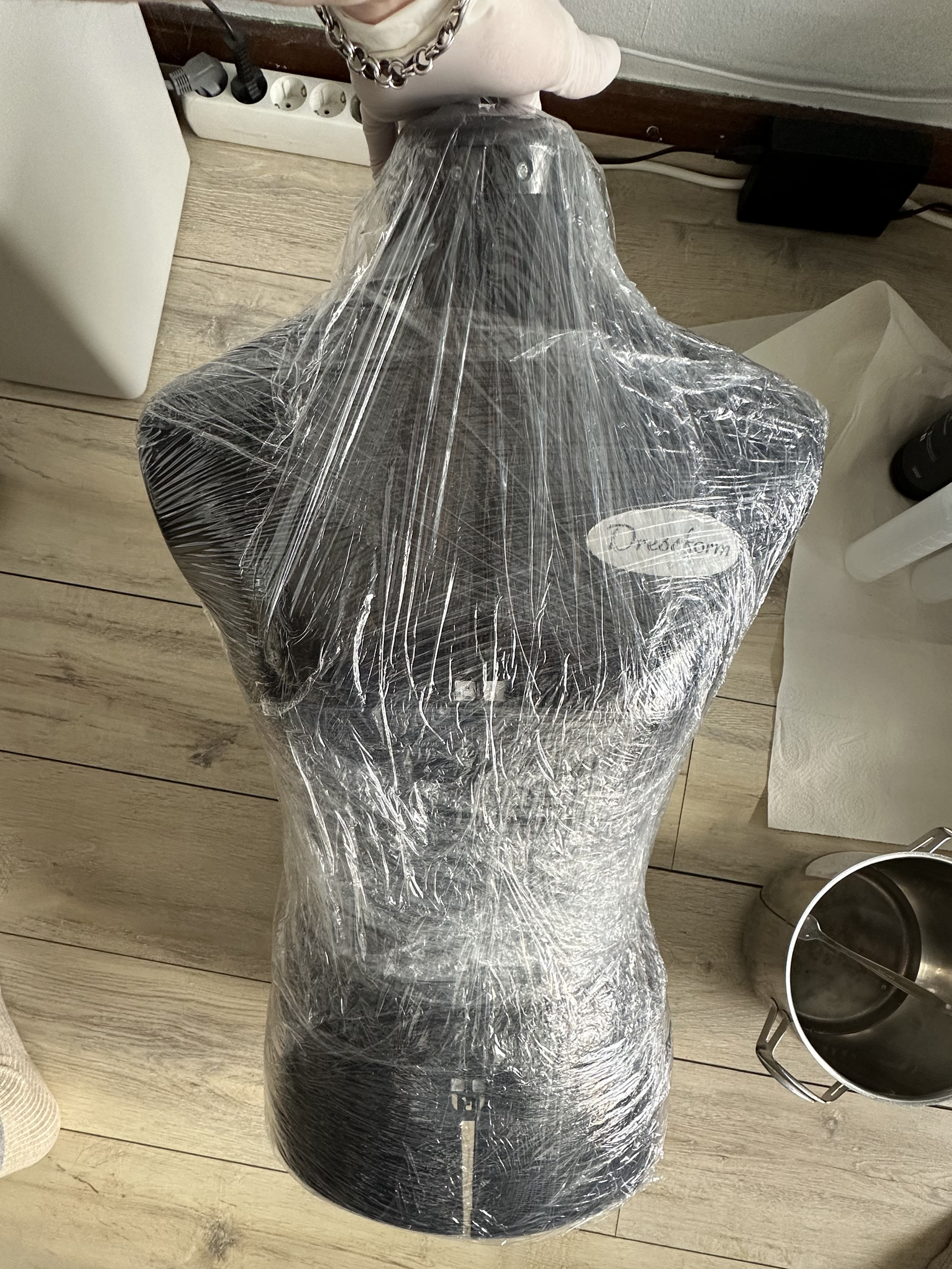
Working with resin on fabric. Freezing moment and motion.
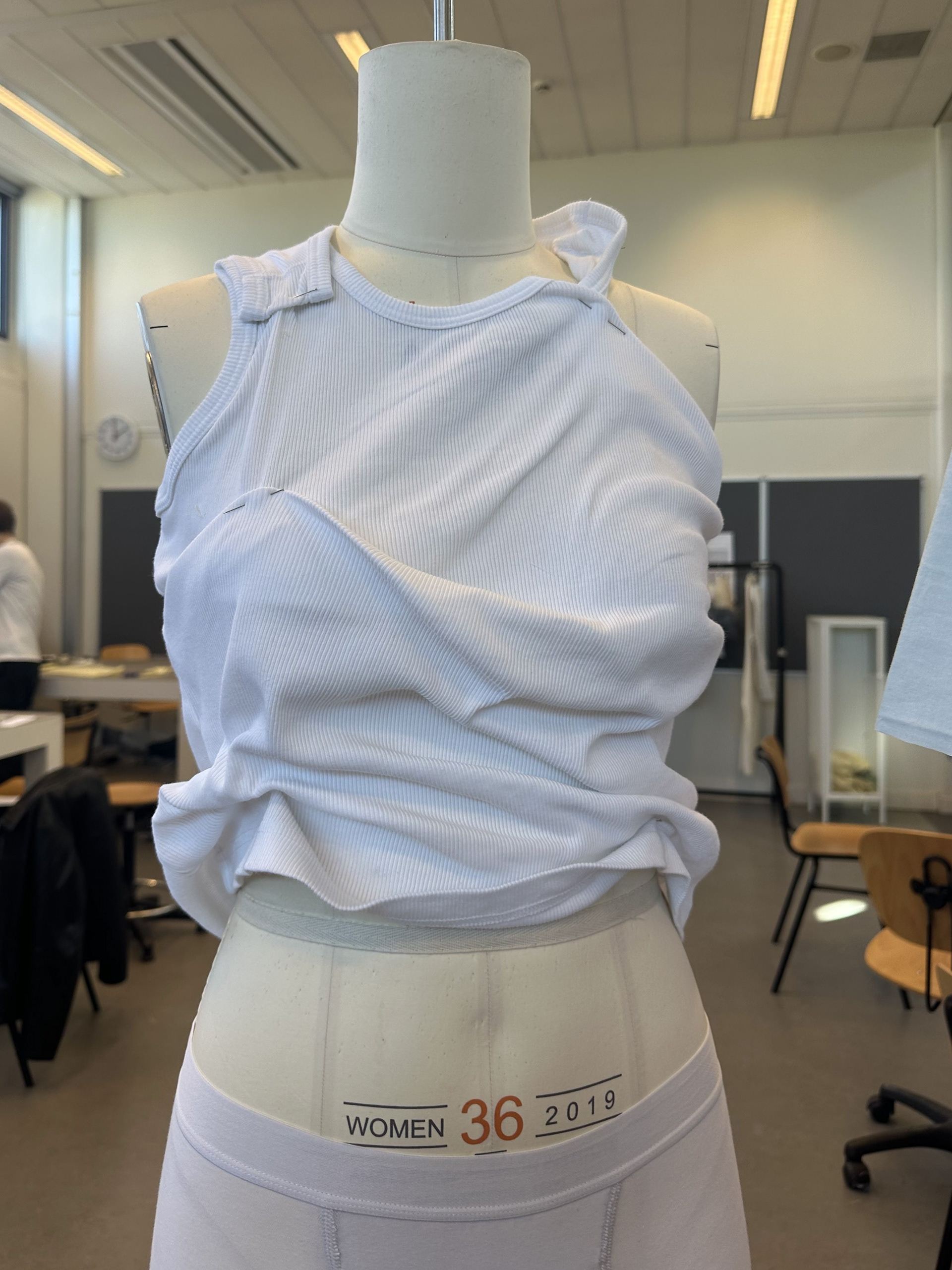



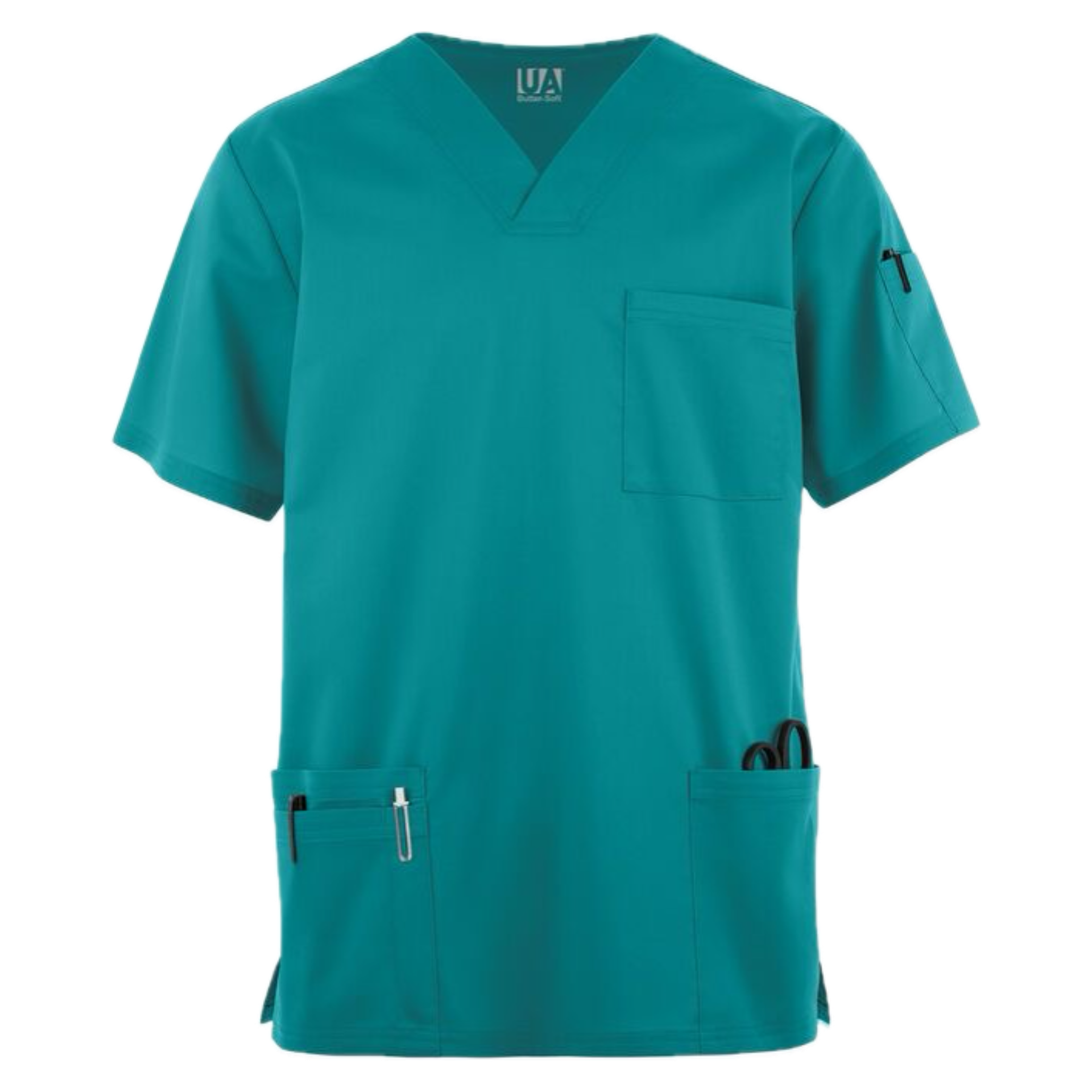
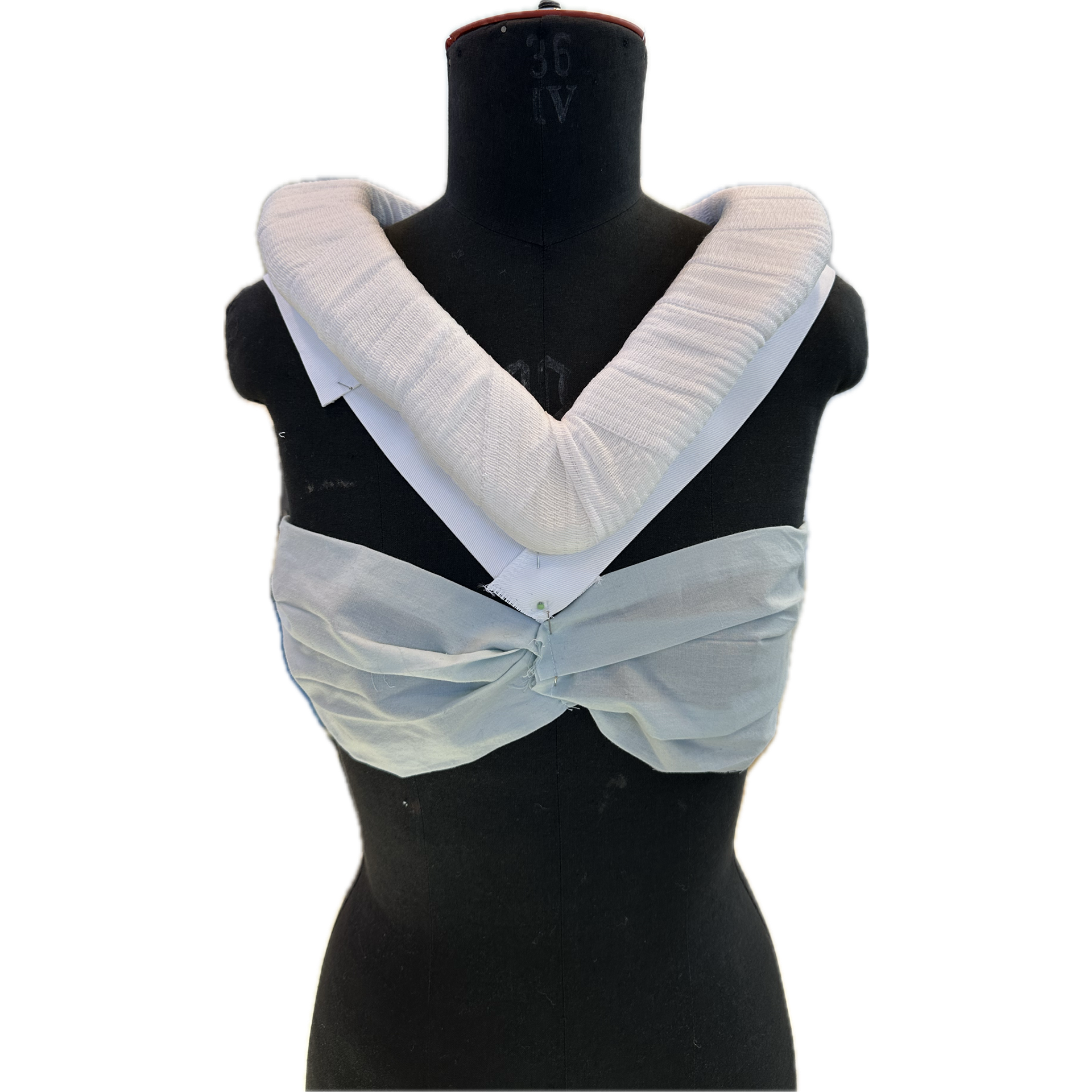
Referencing a nurse top with lycra and foam.



PRINT DEVELOPMENT